Winterizing Your House in Quebec: The Task List Before First Frost
Quebec winter tests every link in your house. A poorly maintained furnace, a forgotten outdoor faucet, or a cracked caulking joint can cost thousands in repairs or in heating overuse.
People who start their prep only when they hear the snow warning on the radio often end up standing in line at the hardware store for a bag of calcium, while a pipe freezes in the basement. Here is the real list of tasks to do before the first snow, section by section, in the right order so nothing gets missed.
Sealing and insulation: the fastest win
Heat escapes mainly through weak spots: poorly sealed windows, worn door thresholds, under-insulated attics. Fix these first because every dollar spent on caulking pays back within a single heating season.
What to do:
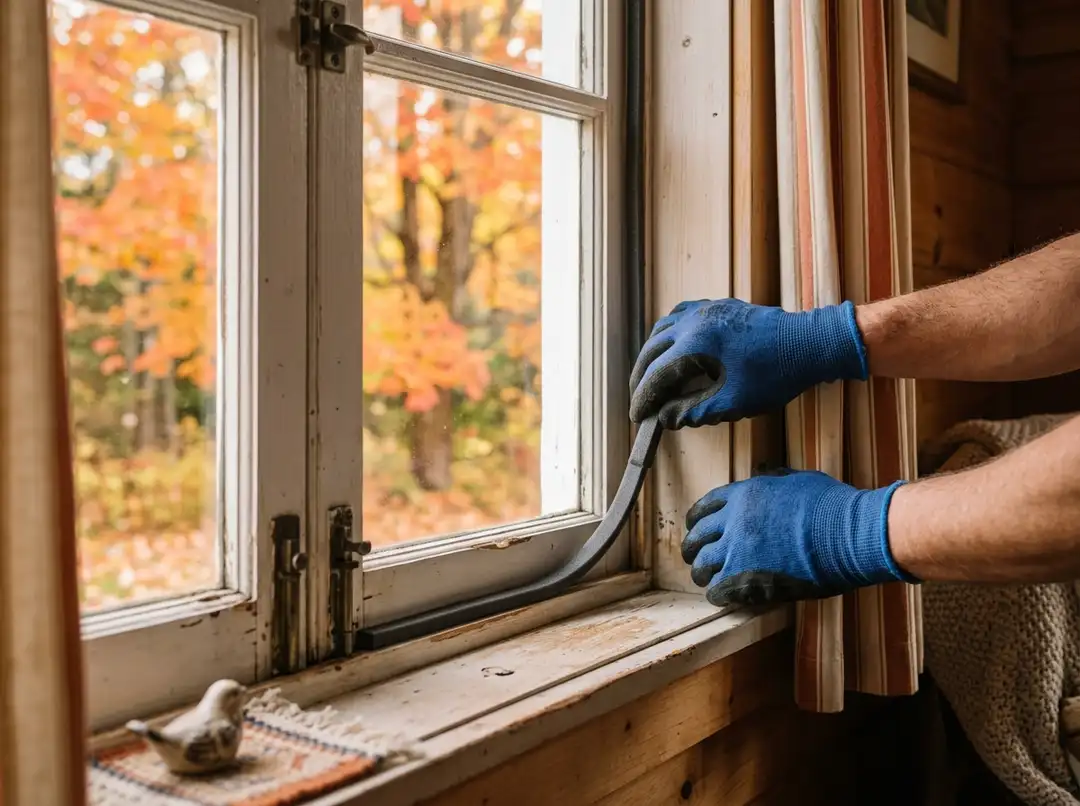
- Check every window from the inside. Run your hand around the frame; if you feel a draft, replace the weatherstrip. A roll of adhesive foam costs under 15 dollars and takes five minutes to install.
- Recaulk exterior joints with a polyurethane sealant if the bead is cracked or peeling. Do this while temperatures are still above 5 °C, otherwise the product will not adhere.
- Install a door sweep on all exterior doors. Visible daylight under the door equals dollars flying out.
- Measure attic insulation with a ruler. The Quebec building code targets R-41 minimum; below that, blowing in cellulose gains 15 to 25 percent on your heating bill. A qualified home renovator can handle it in a few hours.
Caulking and weatherstripping are accessible DIY work. Attic insulation is not, because you need proper respiratory protection and knowledge of correct densities.
Heating system: annual service is not optional
A neglected system consumes 15 to 30 percent more and breaks at the worst possible moment, often on a Sunday morning at minus 20 °C. Preventive service costs between $150 and $300 depending on the equipment; an emergency furnace replacement costs $4,000 to $8,000. The math is quick.
What must be checked before November:
- Forced-air furnace: burner cleaning, heat exchanger inspection, filter replacement. A certified HVAC contractor documents every check and signs the service book.
- Heat pump: cleaning of indoor and outdoor coils, refrigerant check, heat-mode test. A heat pump that worked all summer loses 20 percent efficiency without annual service.
- Wood fireplace and chimney: a chimney sweep inspection is required once per cord of wood burned, or once per year according to the Régie du bâtiment. Creosote buildup is the number one cause of chimney fires.
- Hot-water radiators: bleed the air by opening the small valve at the top until water comes out. Two minutes per radiator, better circulation.
- Thermostat: program a 3 to 4 °C setback overnight and during work hours. The daily savings are measured in dollars, not minutes of discomfort.
Plumbing: protect pipes from freezing
This is the most expensive damage category when it hits: a pipe bursting in an exterior wall averages $12,000 in restoration. It does not happen to everyone, but prevention takes 30 minutes.
Critical spots:
- Shut off and drain outdoor faucets. Find the shutoff valve inside (often in the basement, next to the exterior wall), close it, then open the outdoor faucet to let residual water drain.
- Disconnect, drain and store all garden hoses. A hose full of water attached to the outdoor faucet causes freezing even with the shutoff valve closed.
- Insulate pipes running through crawl spaces, unheated garages, or exterior walls. A foam sleeve costs $3 and saves an insurance claim.
- Check the water heater: partial drain once a year to flush sediment, safety valve test, thermostat set between 55 and 60 °C.
- If you leave for Florida for the winter: shut off the main water inlet, drain the plumbing or set the thermostat to 15 °C minimum, and have someone check the house weekly. Most home insurance policies deny claims when no one has inspected the house for more than three or four days.
For anything more complex, a plumber walks the entire system in an hour and spots the weak points you would miss. Depending on your area, see plumbers in Montreal or HVAC contractors in Laval.
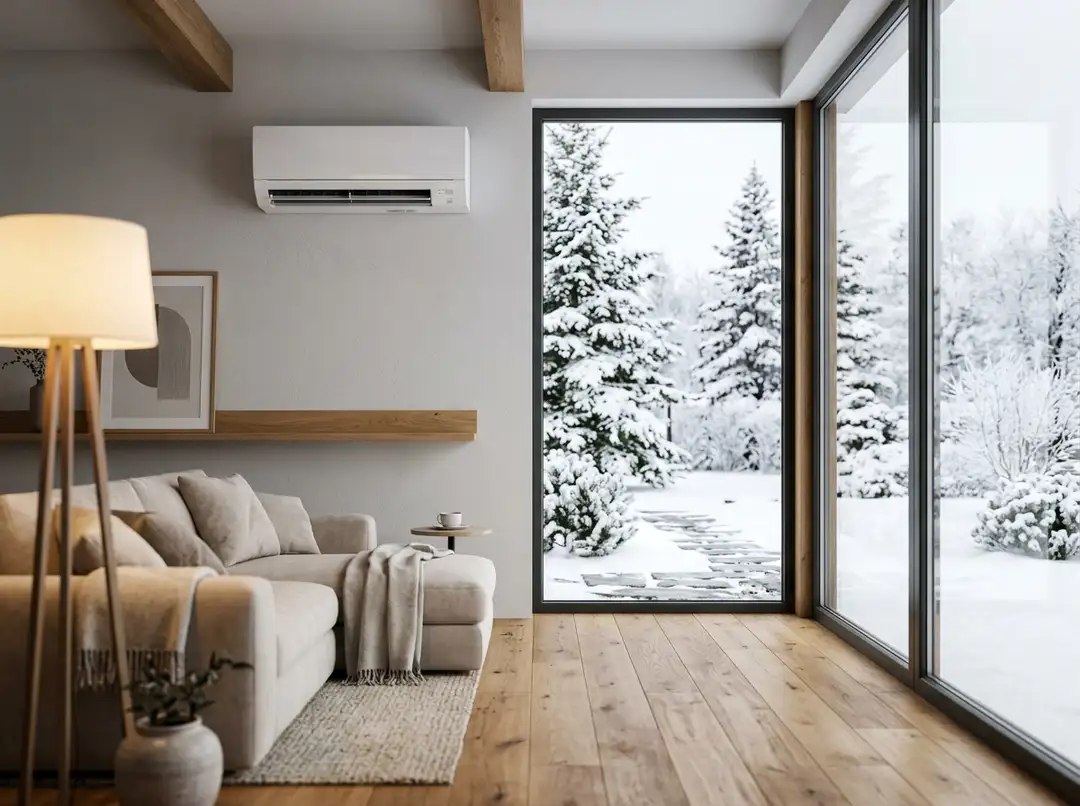
Outdoor: ten tasks before the first storm
Autumn is short in Quebec. Two or three dedicated weekends in September and October cover everything.
- Clean the gutters of leaves and branches. A blocked gutter freezes, tears off the downspout, or lets water overflow against the foundation.
- Inspect the roof with binoculars from the ground: lifted shingles, cracked flashing, moss around dormers. What costs a small repair in September costs five times more when it leaks in January.
- Close the pool: lower the water below the skimmers, add pool antifreeze to the pipes, install the cover. Drain and store the pump indoors.
- Blow out the irrigation system with a compressor if you have one. Water left in underground pipes bursts at minus 15 °C.
- Store garden furniture, the BBQ (or cover it), toys, empty planters. Whatever stays outside gets tossed by the first windstorm.
- Bring in tropical plants and fresh herbs. First frost often arrives at night without the forecast catching it clearly.
- Mark the driveway with reflective stakes for the snow removal crew. Do this before the ground freezes, otherwise the stakes will not go in.
- Prepare winter supplies: bag of salt or calcium, a good shovel, snowblower stored with fresh stabilized gasoline, sand for traction.
- Test extinguishers and detectors. Fresh batteries in every smoke and carbon monoxide detector. A CO detector is mandatory in Quebec in any residence with a combustion appliance or attached garage.
- Photograph the walls and roof before the snow. These photos serve as evidence for an insurance claim after a storm.
The right calendar: September to November
September: indoors. Caulking, weatherstripping, heating system service, chimney sweeping. This is when contractors still have openings; in October and November, the wait is three to five weeks.
October: outdoors. Gutters, pool, hoses, furniture, roof. Ideally before the first sub-zero night (around October 15 in Montreal, earlier in Abitibi or Saguenay).
November: last stretch. Extinguisher check, salt and firewood supplies, system test, emergency kit prep (flashlight, battery radio, bottled water). For those who want a month-by-month plan from January to December, our monthly maintenance calendar covers the full year.
Frequently Asked Questions
When exactly should I start preparing?
Rule of thumb: start 6 to 8 weeks before the typical first frost in your region. In Montreal and its suburbs, that means early September to finish by late October. Further north (Saguenay, Abitibi, North Shore), push back at least two weeks. The heating portion must be done by mid-October because contractors will have no openings after that.
How much does annual heating system service cost?
Between $150 and $250 for a forced-air furnace, between $200 and $300 for a heat pump (full visit with coil cleaning), between $200 and $350 for a chimney sweep. That is two to ten times cheaper than an emergency repair and extends equipment life by several years.
Is chimney sweeping mandatory in Quebec?
The Régie du bâtiment and most municipal bylaws require annual chimney sweeping for any active flue, and an insurer can request the certificate. Without documented sweeping, a chimney fire claim can be denied. A sweep costs less than an unpaid insurance premium.
What if frost arrives before I finish?
Prioritize in this order: shut off and drain outdoor faucets, insulate exposed pipes, run the heating system at full capacity for at least two hours to catch abnormal noises or smells, then catch up on caulking and gutter cleaning whenever a day above zero comes. Exterior caulking cannot be done once it freezes, but interior caulking still works.
What is the difference between weatherstripping and caulking?
Weatherstripping is a flexible joint (foam, rubber, brush) applied to a moving part: door bottoms, opening window frames. Caulking is a hardened sealant applied to fixed joints: outer edge of window frames, wall-to-floor junctions, around exterior electrical boxes. Both are needed, in different places.
Ready to start your project?
Describe your work, choose how many quotes you want to receive, and compare qualified contractors near you. Free and no commitment.