Window Condensation in Winter: Causes and Solutions
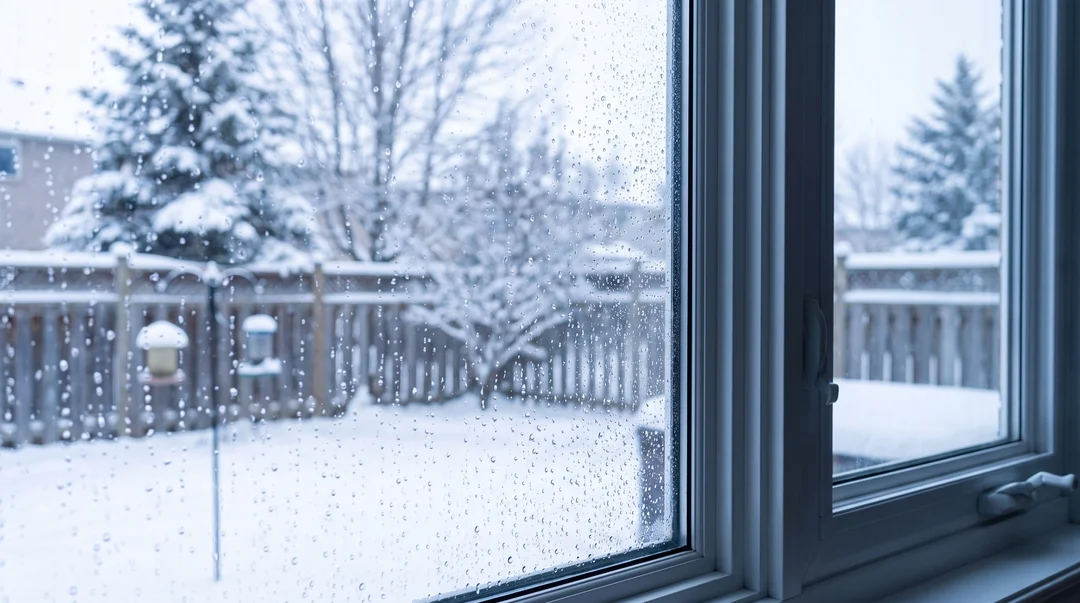
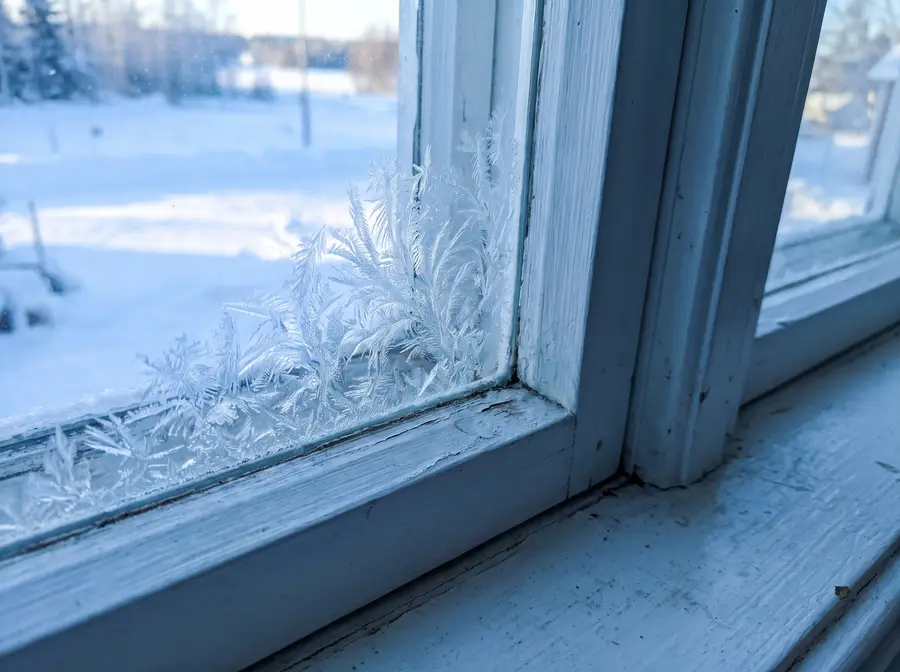
As soon as the deep cold arrives, many homeowners see fog, then frost, building up at the bottom of their windows. A little condensation on a -25 °C night is normal. Windows streaming with water every morning, darkening frames or frost that never melts are a sign of a humidity problem in the house. The good news: the fix is often simple and inexpensive.
Why windows fog up
Indoor air holds water vapour. When that air touches a cold surface, it cools down and the vapour turns into droplets: that is the dew point. In winter, the glass is the coldest surface in the room, especially at the bottom, where air moves less.
Two factors decide whether condensation appears:
- the indoor humidity level, which depends on how much moisture you produce (showers, cooking, laundry, breathing, plants) and how well it is removed;
- the temperature of the inner glass surface, which depends on the window quality and the outdoor temperature.
The colder it is outside, the colder the glass, and the drier the indoor air needs to be to prevent condensation.
The right humidity for the outdoor temperature
A hygrometer, sold for a few dollars at the hardware store, is the first tool to get. In winter, you aim lower than in summer. Here are commonly cited guidelines for a Quebec home:
| Outdoor temperature | Target indoor humidity |
|---|---|
| Around 0 °C | 40% to 45% |
| Around -10 °C | about 35% |
| Around -20 °C | about 30% |
| -30 °C and below | 25% or less |
If the hygrometer reads 50% in January, window condensation is almost guaranteed, even with good windows.
The air exchanger: the main fix
Most houses built since the 1990s have an air exchanger (HRV or ERV). It replaces humid indoor air with dry outdoor air while recovering some of the heat. Poorly set or poorly maintained, it stops doing its job.
What to check:
- Clean the filters every two or three months. Clogged filters greatly reduce airflow.
- Check the setting. Many homeowners leave it on recirculation or at minimum all winter. If you have condensation, raise the speed or use the dehumidification mode.
- Clear the outdoor vents of snow and frost.
- Have the unit inspected if the filters are clean and humidity stays high. The core may be dirty or the motor weak. That is a job for an HVAC specialist.
An older house without an air exchanger can have one added. It is often the best investment against condensation, especially after air sealing or window replacement has made the house tighter.
Other habits that make a real difference
Before blaming the windows, a few habits cut humidity a lot:
- Run the bathroom fan during showers and for 20 to 30 minutes after.
- Use the range hood, especially when boiling water. A hood that recirculates air instead of venting outside does not remove moisture.
- Make sure the dryer vents outside and its duct is not disconnected.
- Avoid drying laundry indoors during cold snaps.
- Let air circulate in front of windows: heavy curtains closed all night and blinds pressed against the glass keep the surface even colder.
- Keep an eye on the basement, often the biggest moisture source in the house. A dehumidifier is sometimes needed there.
These habits are part of a good routine to winterize your house.

When the window itself is the problem
If indoor humidity is fine and condensation persists, the window may be at fault:
- Fog between the two panes means the sealed unit has failed. The glass unit needs replacing, but not always the whole window.
- Frost on a single window or on the frame rather than the glass may point to cold air leaking around the opening: worn weatherstripping or missing insulation between the frame and the wall.
- Single-pane windows or old sealed units keep a very cold inner surface. Replacement then becomes a serious option. Our window replacement guide helps compare glazing types.
The risks of letting it go
Condensation is not just cosmetic. Water running down the sill every morning eventually rots the wood, blisters the paint and loosens the drywall under the window. Black spots in the corners are mould feeding on that moisture. The longer it lasts, the more the repair costs.
Frequently Asked Questions
Is window condensation normal in winter?
A bit of condensation at the bottom of windows during extreme cold is normal. It becomes a problem when it shows up daily, runs onto the sill or leaves black spots on the frame.
What indoor humidity should you aim for in winter?
The colder it is outside, the lower you should aim. A common guideline: about 35% around -10 °C and about 30% around -20 °C. A hygrometer makes it easy to check.
How often should air exchanger filters be cleaned?
Usually every two or three months, and more often with pets or after renovation work. Dirty filters greatly reduce the unit's efficiency.
Can fog between window panes be fixed?
Yes. Fog between the panes means the sealed unit is no longer airtight. Usually only the glass unit is replaced, which costs far less than a new window if the frame is in good shape.
Does replacing windows solve condensation?
Not always. New windows keep the glass warmer, but they also make the house tighter. Without good ventilation, the moisture can then show up elsewhere, on walls or in corners.

Post your project
Describe your work once, and contractors in your area who do this kind of work can get back to you. It's free, with no commitment.
Post a project