Renovating in Winter: What to Do, What to Wait For
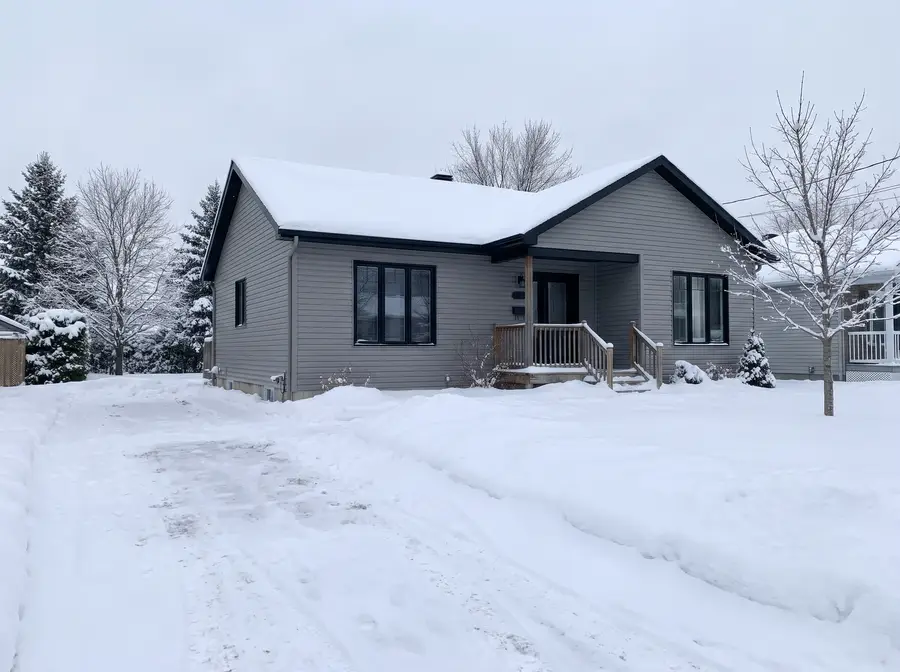
Many homeowners put their projects on hold at the first snowfall, as if renovation stopped in November. In reality, a good share of interior work goes just fine in winter, and it is often the season when contractors have the most availability. Other projects, however, really benefit from waiting until spring. Here is how to sort them out.
Work that goes well in winter
Anything that happens inside a heated house normally works in winter:
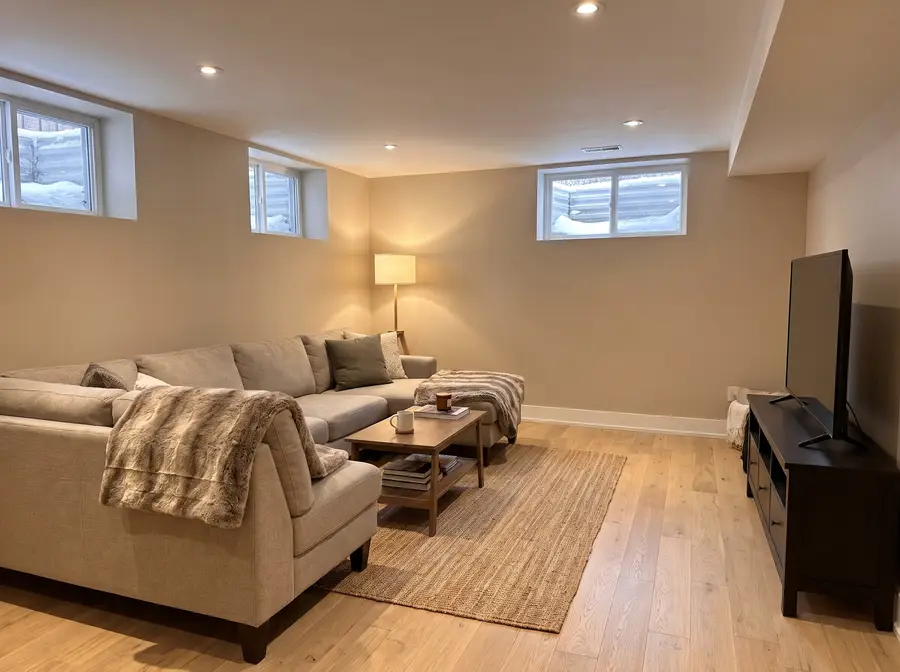
- The basement. Finishing, partitions, flooring, a bathroom or family room: it is the ultimate winter project. Our guide to basement finishing explains where to start.
- Kitchen and bathroom. Cabinets, countertops, tile, plumbing: nothing depends on the weather.
- Electrical work. Panel upgrades, new circuits, recessed lighting.
- Interior painting, flooring, trim and doors.
- Attic insulation. Blowing cellulose into the attic works fine in winter, and you see the effect on heating right away.
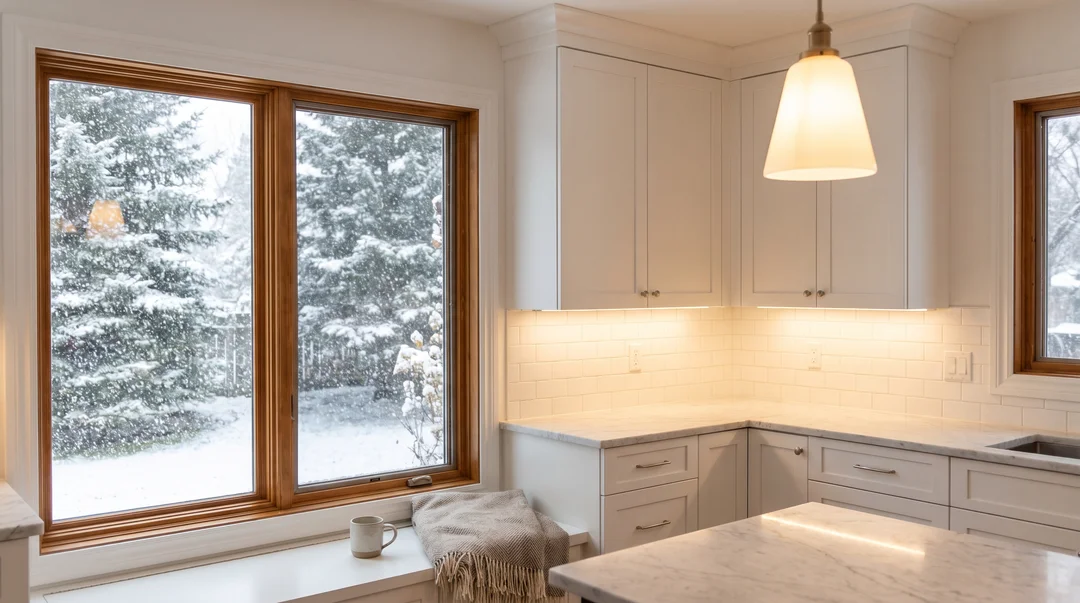
- Window replacement, one or two at a time. An experienced installer opens one opening at a time and closes it the same day. Heat loss stays limited.
Work to save for spring
Some materials and tasks do not handle cold well:
- Roofing. Asphalt shingles need sun to warm their adhesive strips so they bond. In cold weather, installation is harder and sealing less reliable. Only emergency repairs make sense in mid-winter.
- Masonry and repointing. Mortar must not freeze before it cures. Winter methods exist (heated enclosures, additives), but they cost more.
- Concrete and foundations. Pouring a slab or repairing a foundation needs thawed ground and controlled temperatures while curing.
- Exterior paint and stain. Most products require a minimum temperature, often around 10 °C, for several hours.
- Landscaping, fences and decks. Frozen ground makes digging and piles difficult, and you cannot see the yard under the snow.
For these jobs, winter is still a great time to plan: get quotes, compare, and book a spring date before schedules fill up.
The advantages of renovating in winter
- More availability. Peak season runs from spring to fall. In winter, many contractors have gaps in their schedule and can start sooner.
- Shorter delays. Fewer jobs running at once often means less waiting between stages.
- A house ready for spring. A basement or kitchen finished in March means a free summer.
Do not assume prices will be lower, though. Some contractors are more flexible in winter, but material costs do not change with the season.
Winter-specific precautions
An interior job in winter needs a few adjustments:
- Dust. Windows stay closed, so dust travels more. Ask for plastic barriers, and cover or close the vents in the work area.
- Snow and salt. Plan a protected path from the entrance to the work area so floors do not get damaged.
- Heating. If part of the house is opened to the outside, even briefly, make sure nearby plumbing will not freeze.
- Humidity. Joint compound, paint and plaster release a lot of moisture as they dry. Good ventilation prevents window condensation.
- Deliveries. Storms can delay deliveries. Build some slack into the schedule.
Keep an eye on the usual seasonal tasks to winterize your house too. A home renovator can help group interior work into a single winter project.
Frequently Asked Questions
Can you renovate a bathroom in the middle of winter?
Yes, no problem. All the work happens inside a heated house. You just need another bathroom or a temporary solution during the job.
Can a roof be replaced in winter?
It is possible but not recommended unless it is an emergency. Asphalt shingles bond poorly in the cold, and snow makes safety harder. It is better to do a temporary repair and replace the roof in spring.
Are contractors cheaper in winter?
Not necessarily. They are often more available, which shortens delays, and some are more flexible on price. Material costs, however, do not change with the season.
Can windows be replaced in winter?
Yes. An experienced installer replaces one opening at a time and closes it the same day. Heat loss stays limited, and you enjoy a more comfortable house for the rest of the winter.
Which exterior projects should you plan during the winter?
Roofing, masonry, concrete, exterior painting and landscaping. Winter is the right time to get quotes and book a spring date before contractors' schedules fill up.
Post your project
Describe your work once, and contractors in your area who do this kind of work can get back to you. It's free, with no commitment.
Post a project