Window Replacement: Which Type to Choose and What It Costs
Drafts near the frame in January, fog trapped between the glass panes, heating bills that keep climbing despite a lowered thermostat, windows are often the first thing worth investigating.
Replacing windows is one of the most cost-effective profitable renovations over the long run: reduced heat loss, better acoustic comfort, improved resale value. But with the range of options available (PVC, aluminum, double or triple glazing, casement, tilt-and-turn, sliding) it's easy to get lost. Here's what you actually need to know before signing a contract.
Signs Your Windows Need Replacing
Not every window needs replacing. Condensation between the panes is the clearest indicator that replacement is needed: once it appears, the sealed unit has failed and the window has lost 40-60% of its thermal performance, it cannot be repaired, only replaced. Drafts around the frame with the window fully closed, swollen or rotted frames, cracked glass, and difficulty opening or closing all point the same direction. So does age: a window that's 25 years old or more is likely at the end of its effective life.
Some things can be repaired rather than replaced: peeling exterior caulking, a faulty screen or latch, condensation on the outer surface during humid weather (that's normal).
Double or Triple Glazing: What's the Difference?
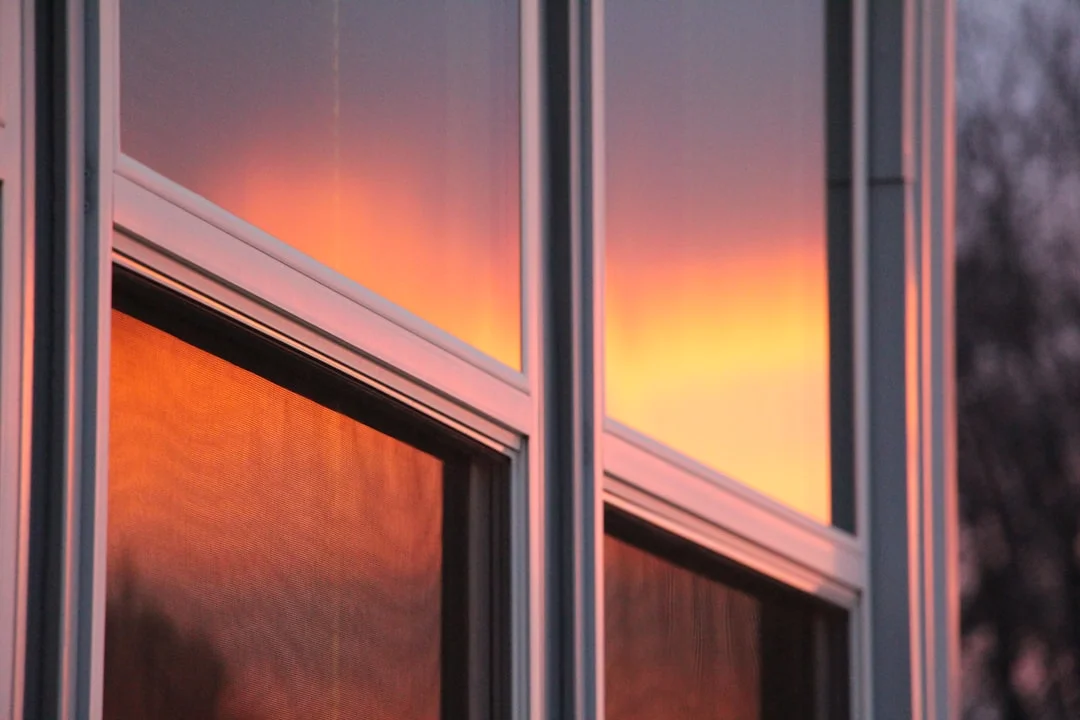
The glazing makes up the majority of the window's surface area and determines most of its thermal performance.
Double glazing has been the standard since the 1990s: two panes of glass separated by a space filled with air or gas (argon or krypton), typically 24-28 mm thick overall. Typical R-value: 2.5-3.5. It's a solid choice for well-exposed windows in moderate climates, or when budget is a real constraint.
Triple glazing adds a third pane and a second gas cavity, typically 40-45 mm thick overall. Typical R-value: 4.5-6.5. It's worth the investment in regions with harsh winters, for north-facing windows or those exposed to prevailing winds, or when targeting Passive House or high-performance standards, ideally combined with a well-executed thermal insulation envelope. The tradeoff: triple glazing costs 15-25% more than double and is heavier, which may require frame reinforcement. For most homes, high-performance double glazing with argon fill and a low-E coating offers excellent value.
Frame Materials
PVC is the most widely sold frame material in North America. It requires no painting, doesn't rot, resists moisture, and has good thermal insulation value. It's the best value for money with low maintenance, though it expands and contracts with temperature swings, has a limited color range, and carries a less premium visual presence. Lifespan: 20-35 years.
Aluminum is strong, lightweight, and visually modern, most common in contemporary construction and large openings. It allows slim profiles and wide color choice through powder coating, but it's a poor thermal conductor and requires a thermal break to perform well. Lifespan: 30-50 years.
Wood offers the best natural thermal performance and unmatched character. It's the go-to for heritage renovations and premium homes, with excellent insulation value and a warm aesthetic, but it requires regular maintenance and is vulnerable to moisture if neglected. Lifespan: 30-50 years with proper maintenance.
Fiberglass (composite) combines the best properties of wood and PVC: excellent insulation, minimal thermal expansion, no maintenance required, and the ability to mimic wood appearance convincingly. It's the highest-priced option on the market but justifies it with a lifespan of 40 years or more.
Opening Types
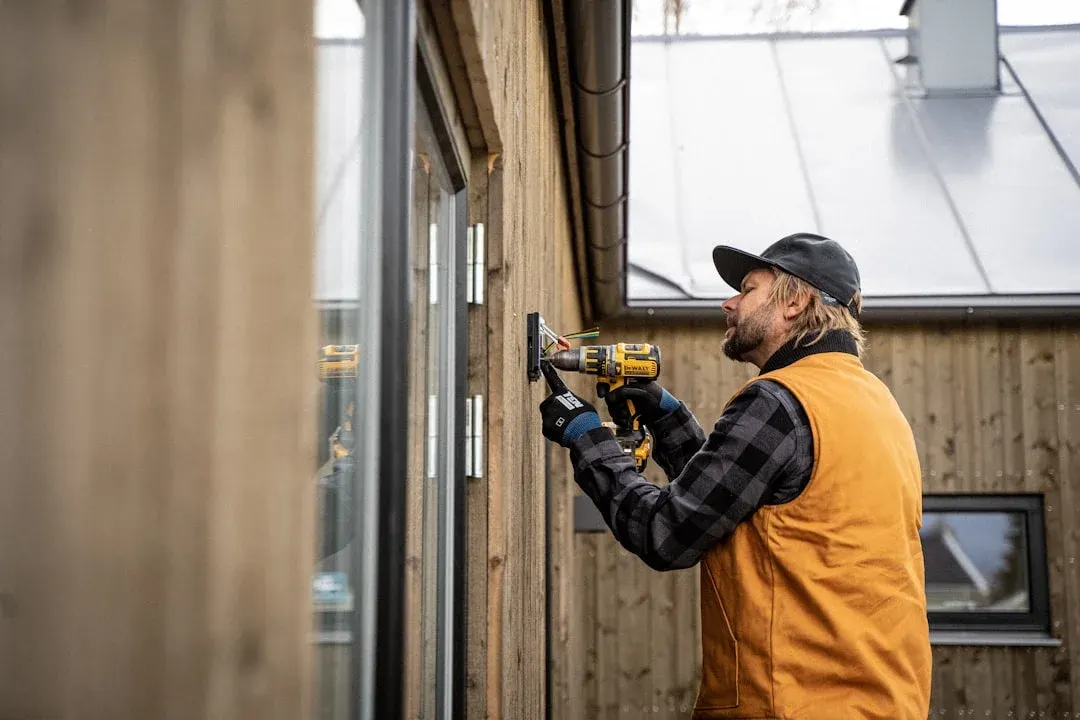
Casement windows swing open like a door, inward or outward. They offer maximum ventilation and a tight seal when closed (well suited for living rooms, bedrooms, and any room needing full airflow. Tilt-and-turn windows can tilt inward from the top for ventilation or swing fully open for cleaning, making them particularly useful in kitchens and bathrooms where controlled ventilation matters. Sliding windows have panels that glide horizontally) practical wherever a swinging window would hit furniture, such as living rooms opening onto a deck or basement rooms. Awning windows open from the bottom and pivot outward at the top, allowing ventilation even in light rain, a good choice above the kitchen sink or in wet rooms. Fixed windows don't open at all, which maximizes glass area and view at a reduced cost; they're best paired with an operable window nearby.
How Much Does Window Replacement Cost?
Prices include supply and installation with removal of the old window. A standard double-glazed PVC window runs $600 to $1,200 per unit. Triple-glazed PVC: $900 to $1,600. Aluminum with thermal break: $1,000 to $2,000. Fiberglass: $1,400 to $2,500. Wood: $1,200 to $3,000. Double-glazed patio door: $1,800 to $3,500.
Several factors affect the price: opening size (larger windows cost proportionally less per square foot), upper-floor accessibility that may require scaffolding, the condition of the rough opening, and the number of units ordered, installers typically offer discounts for five or more windows. Ask for an all-in price that includes interior trim and exterior cladding; some installers quote a low window price and charge separately for all finishing work.
Available Rebate Programs
Depending on your province and municipality, financial assistance programs can significantly reduce your investment. The federal Canada Greener Homes Grant offers renovation financial aid for energy-efficiency improvements including ENERGY STAR-certified windows, check nrcan.gc.ca for current eligibility and amounts. Most provinces offer complementary incentive programs through their energy regulators or utilities. Many local electricity and gas distributors run their own programs on top. Most programs require a certified energy assessment before work begins, so plan that step before ordering your windows.
How to Choose a Good Installer
Installation quality matters as much as window quality. A premium window poorly installed will lose most of its performance within a few winters. Whether you go through a home renovator or a windows and glazing specialist, for example among glazing contractors in Montreal, verify the contractor's license (RBQ in Quebec, or equivalent in your province), ask for a labor warranty of at least 2 years, and confirm the manufacturer's warranty is transferable and valid when installed by this contractor. Request the liability insurance certificate and ask to see windows installed in the previous year.
Be wary of in-home sales visits with pressure to sign the same evening and discounts expiring within 24 hours, a common tactic in the window industry that rarely leads to good decisions.
Questions to Ask Before Signing
Before committing to an installer, clarify: the U-value or R-value of the proposed window; what gas fills the space between panes; whether the glazing is ENERGY STAR certified for your climate zone; the warranty duration on the sealed unit; who handles warranty claims, you or the manufacturer directly; whether the price includes interior and exterior finishing; and how long the installation will take.
Replacing windows is a decision that commits you for 25 to 40 years. Taking the time to compare quotes, verify certifications, and choose a competent installer ensures a result that genuinely improves comfort, and shows up on your energy bills from the very first winter.
Frequently Asked Questions
How long do PVC windows last?
Quality PVC windows typically last 20-35 years. The sealed unit (the gas-filled space between the panes) is usually the first component to fail after 15-25 years, which appears as fogging between the panes. The PVC frame itself can last longer, but once the glazing fails, full window replacement is generally more economical than replacing the sealed unit alone.
Are there rebates for replacing windows?
Yes. The federal Canada Greener Homes Grant offers reimbursements for ENERGY STAR-certified windows. Most provinces have complementary programs through their energy regulators or utilities. The majority of programs require a certified energy assessment before work begins to remain eligible, check nrcan.gc.ca and your provincial energy authority for current amounts.
How long does window installation take?
A standard window typically takes 1-2 hours to install. For a home with 10-15 windows, the full project usually wraps up in 1-2 days. If interior drywall or trim repairs are needed after installation, add a day or two.
Is it better to replace all windows at once or in stages?
Replacing all windows at once is almost always more economical: one crew mobilization, significant discounts on multi-unit orders, and a unified warranty across the whole job. If budget doesn't allow it, prioritize north-facing or wind-exposed windows, and those already showing signs of failure.
Ready to start your project?
Describe your work, choose how many quotes you want to receive, and compare qualified contractors near you. Free and no commitment.