Faucets and hardware often get chosen last, almost as an accessory. Yet they are what your hands touch twenty times a day, and a poorly chosen finish shows every single day: white spots on a black faucet, fingerprints on polished chrome, brass that no longer looks like the sample.
Three families of finishes dominate today's renovations. Each has its character, and each has a flaw you only discover by living with it.
Brass: warm, but two very different brasses
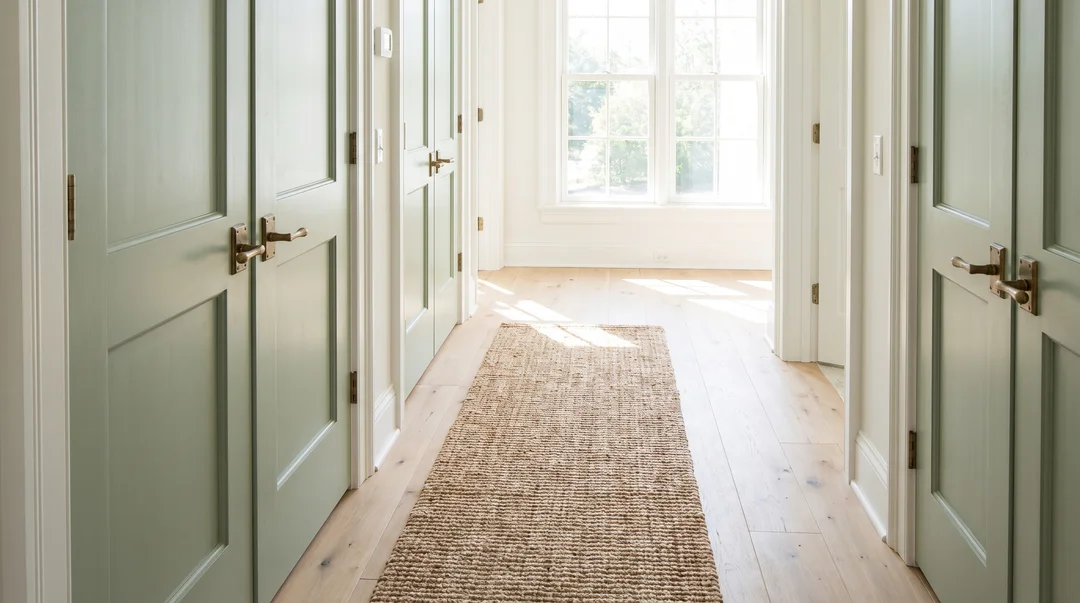
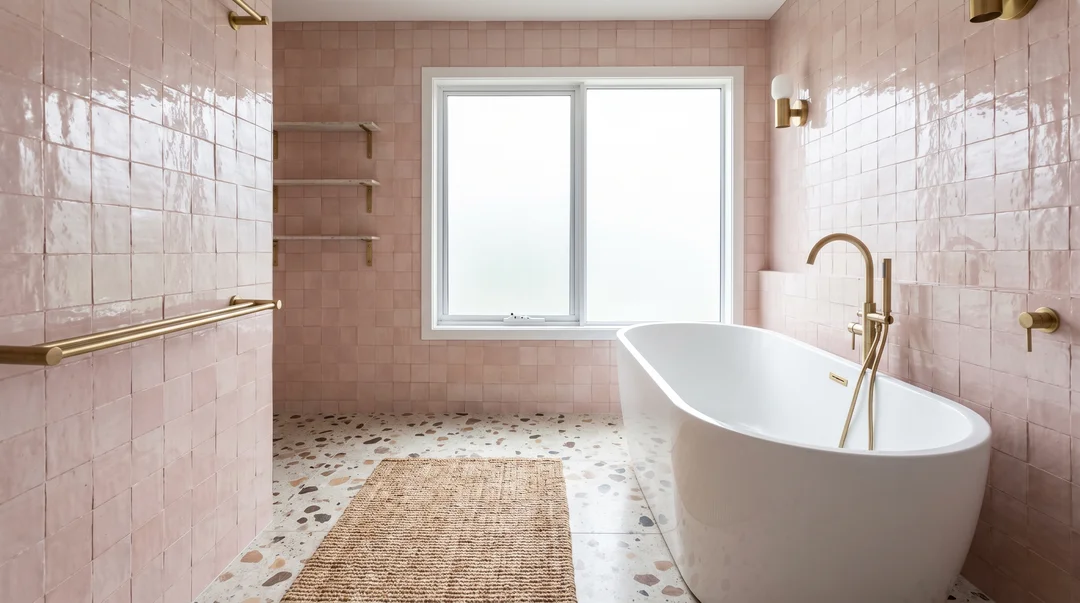
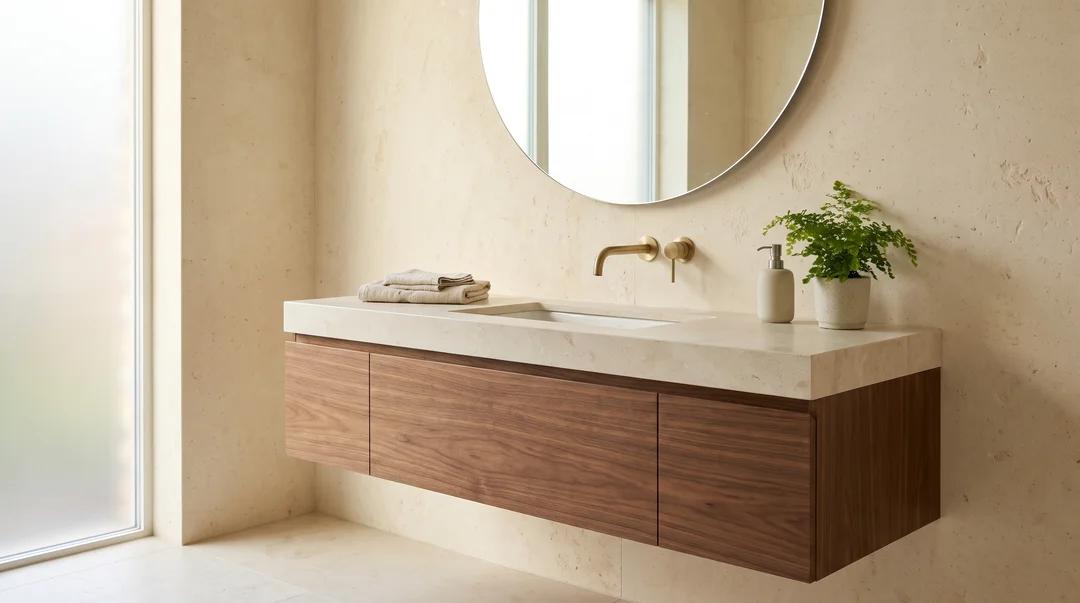
Brass has made a strong comeback in kitchens and bathrooms. It instantly warms a room with cool colours and pairs beautifully with wood, green, navy and off-white.
You need to know there are two kinds, and they age in opposite directions.
Protected brass, covered with a lacquer or a physical vapour deposition coating, often called PVD. Its colour stays stable for years. This is the choice if you want the faucet to look like the photo ten years from now.
Unlacquered or "living" brass. It oxidizes, darkens, spots where it is touched most and develops a patina. Some people love exactly that. Others experience it as a dirty faucet. If you are unsure, go with protected brass.
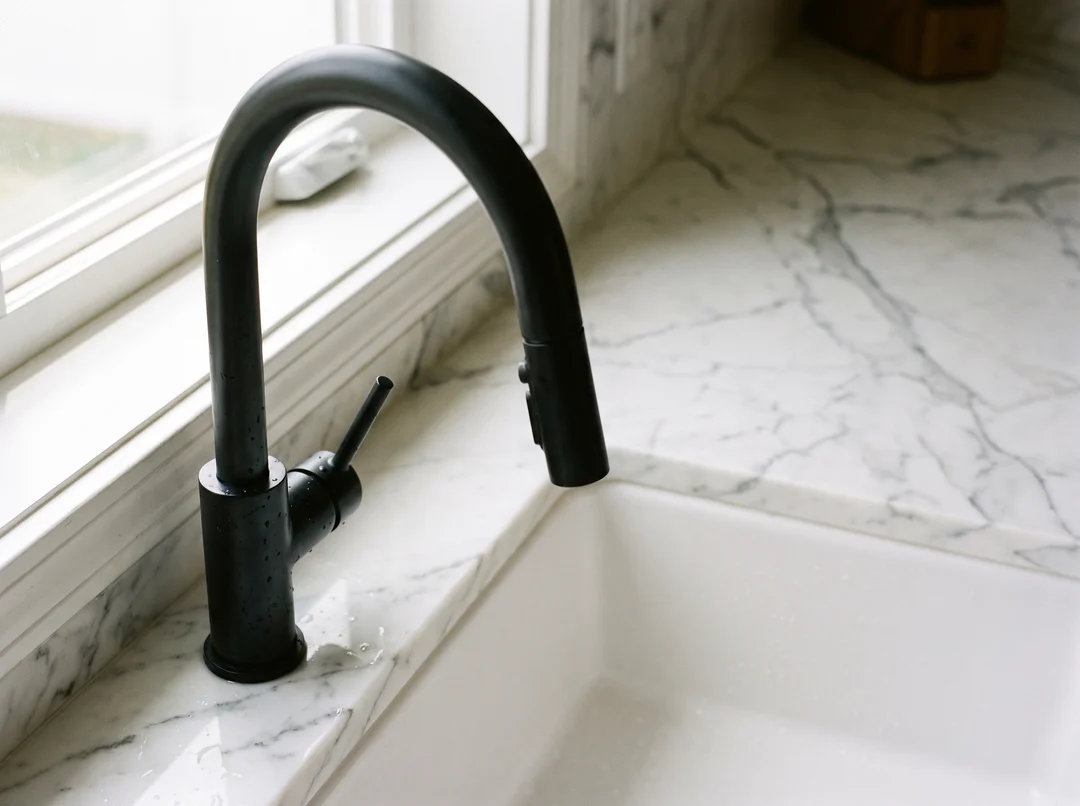
Matte black: graphic, but it shows water
Matte black gives a crisp contrast, especially against a white counter or a pale wall. It is a very architectural finish that suits contemporary kitchens and pared-back bathrooms.
Its flaw is concrete, and it depends on your water. Limescale leaves white spots on black as soon as drops dry. In a house on a well or in a hard-water area, it shows every day, and a quick wipe after use becomes a mandatory habit.
Quality matte black also relies on a PVD coating or baked finish. A low-end finish can chip at contact points, especially on the mixer handle.
Stainless and brushed nickel: the most forgiving
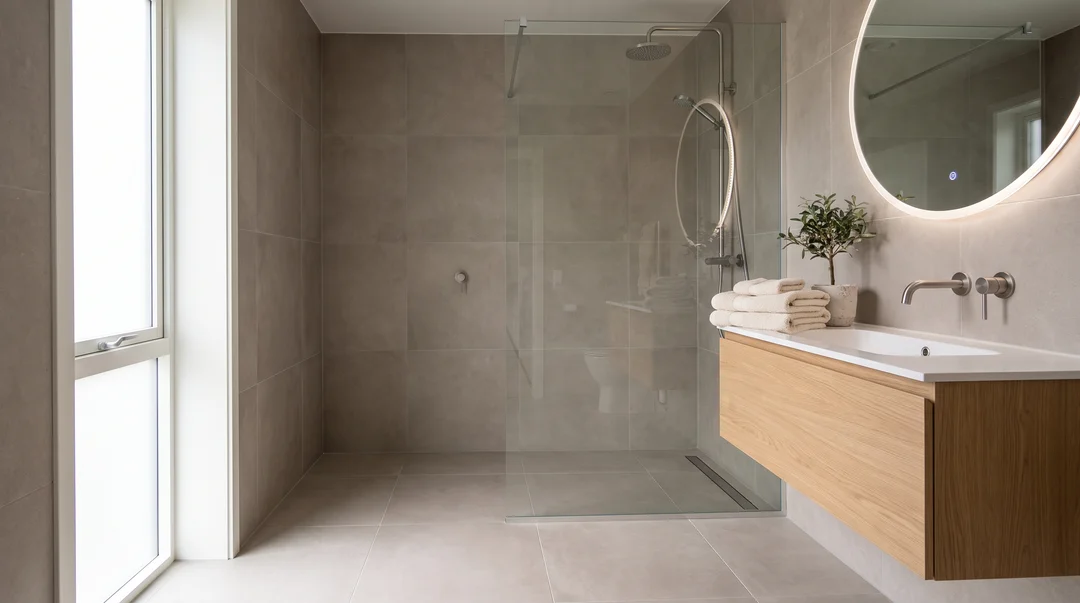
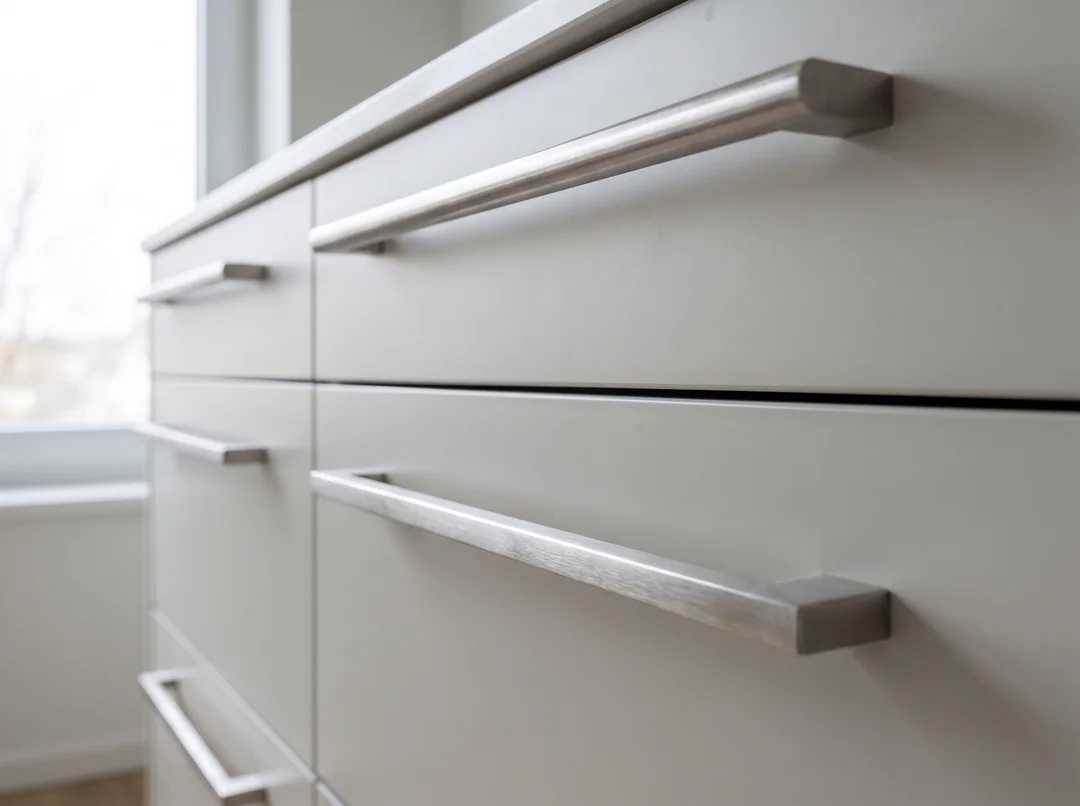
Brushed stainless steel and brushed nickel are the easiest finishes to live with. Their lightly grained surface hides fingerprints and water spots, and they match almost any appliance.
Polished chrome shines more and cleans very well, but it shows every print. It is an excellent choice in a guest bathroom rarely wiped mid-use, less so in a busy family kitchen.
This is the safe choice, the one that does not date and asks for no effort.
Mixing finishes without it looking like an accident
Mixing metals is entirely possible, and often more interesting than one finish everywhere. Three rules avoid the mismatched look:
- Two finishes at most in one room, three if one is very discreet.
- One finish per function. For example, all the plumbing fixtures in brass and all the hardware in black. What makes it coherent is the rule, not the colour.
- Repeat each finish at least twice in the room so it looks chosen. A brass faucet alone among black pulls looks forgotten; the same brass repeated in a sconce or a rail becomes intentional.
Count your appliances too: a stainless range and fridge count as a finish in the room.
Quality does not show in the photo
Two faucets that look identical in a photo can have very different lifespans. What makes the difference:
- The cartridge. A ceramic disc cartridge resists wear and leaks better than a low-end mechanism.
- The body. A solid brass body outlasts a light alloy or plastic one hidden under the finish.
- Certification. In Canada, faucets sold for drinking water must carry a recognized certification, CSA among them. A faucet ordered online from abroad with no certification raises a compliance issue and sometimes an insurance one.
Swapping a faucet onto the same holes is often within reach of a handy homeowner. Moving a sink, installing a wall-mounted faucet or an in-wall shower valve is another story: the valve lives in the wall, and a mistake gets fixed by opening up the tile. That is the job of a plumber. In the metropolitan area, our list of plumbers in Montreal is a starting point.
Think about the whole
Fixtures get chosen with the countertop and the cabinet colour, not after. Brass on white veined quartz does not look the same as on black granite. Our guide to choosing a kitchen countertop helps make both choices together, and our interior design trends show what is being done right now. In a bathroom, fixtures also weigh on the overall budget, which our article on bathroom renovation cost breaks down.
Frequently Asked Questions
Is a matte black faucet hard to maintain?
It shows limescale spots, especially with hard water or well water. A quick wipe after use keeps it clean. Avoid abrasive products, which can scratch or dull the coating.
Will brass change colour?
It depends on the type. Brass protected by lacquer or a PVD coating keeps its colour for years. Unlacquered brass oxidizes and develops a patina, which some people want and others mistake for dirt.
Can you mix faucet and hardware finishes?
Yes, and it is common. Keep to two finishes in the room, assign one finish per function, and repeat each finish at least twice so it looks deliberate.
Which finish hides fingerprints best?
Brushed stainless steel and brushed nickel. Their lightly grained surface hides prints and water spots far better than polished chrome or matte black.
Do you need a plumber to change a faucet?
Not always. Swapping a faucet onto the same holes is often a DIY job. Moving a sink or installing a wall-mounted faucet or in-wall valve means working inside the wall, and that is a plumber's job.
Post your project
Describe your work once, and contractors in your area who do this kind of work can get back to you. It's free, with no commitment.
Post a project