GST and QST Rebate for a Major Renovation: Who Qualifies
If you stripped your house back to the studs, part of the GST and QST you paid on the work can come back to you. The program is the rebate for new housing or housing that has undergone major renovations, and Revenu Québec administers it for both taxes.
Very few owners ever claim it. Two reasons: they do not know it exists, and the clock starts long before the job feels finished.
What "major renovation" means to the tax authorities
This is the part almost everyone gets wrong. In law, a major renovation is not simply a big renovation. It is a precise test: substantially all of the interior of the existing building, meaning 90 % or more, must have been removed or replaced.
And here is the nuance that changes everything. Certain elements do not count in that calculation:
- The foundation
- The exterior walls
- The interior load-bearing walls
- The floors
- The roof
- The staircases
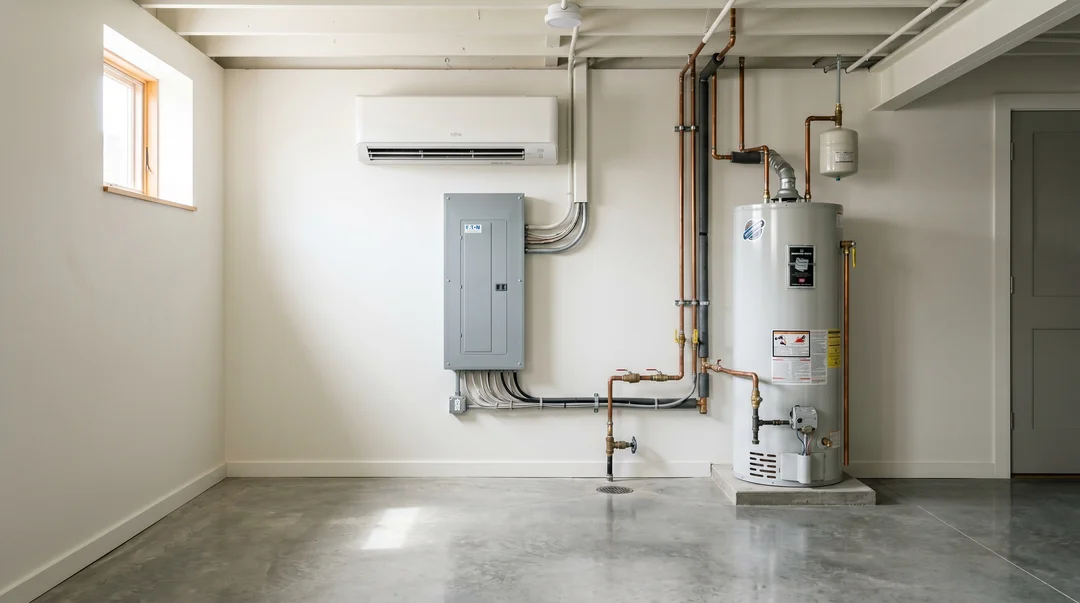
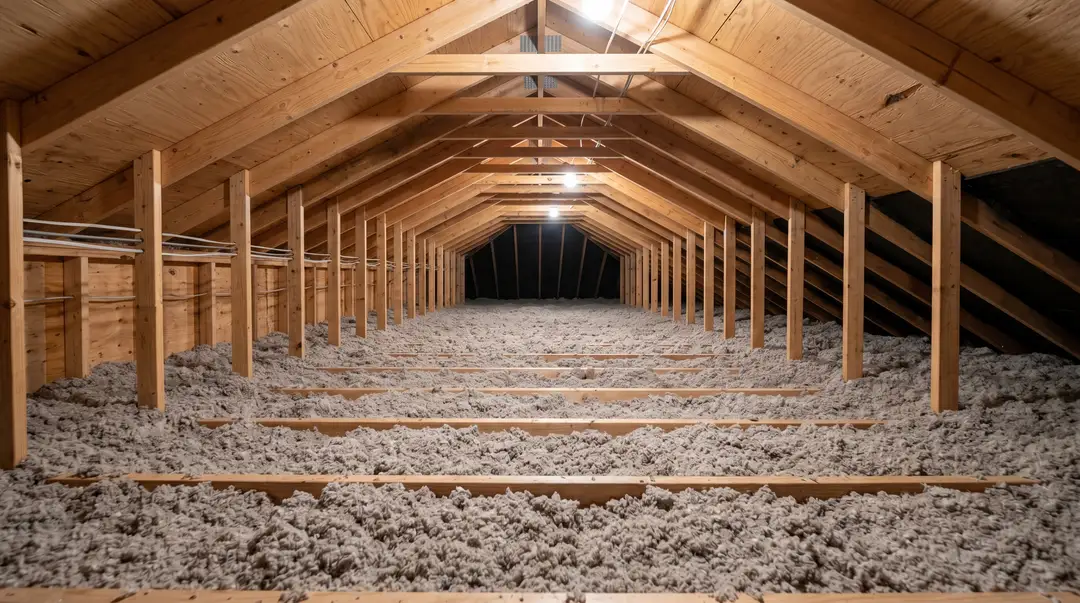
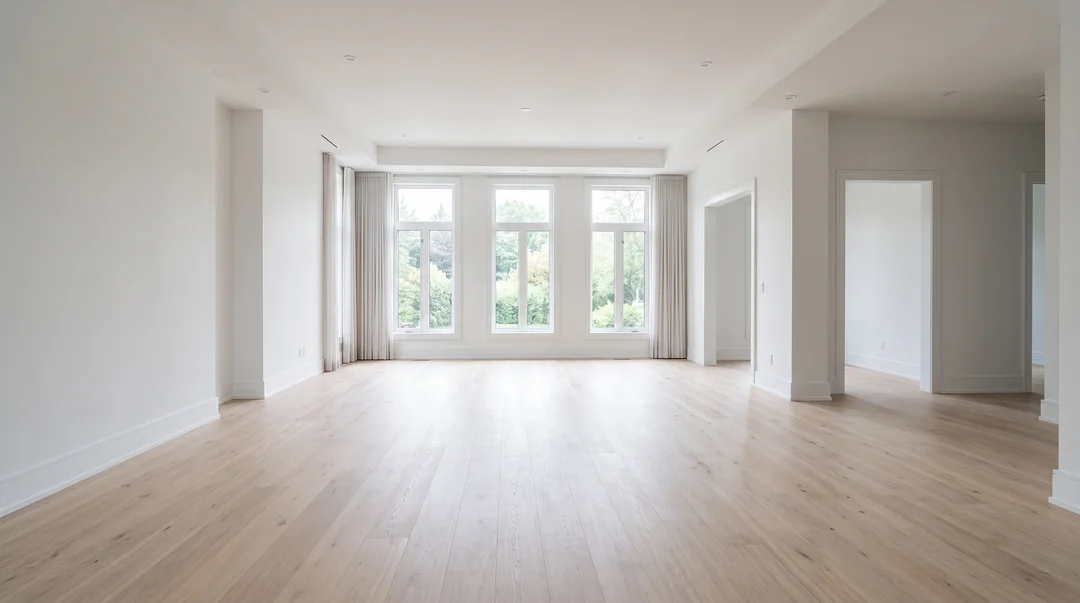
In other words, you do not have to touch the structure. You can keep it exactly as it is and still qualify. What counts is the non-structural interior: partitions, drywall, insulation, plumbing, wiring, finishes. A house taken back to the studs on every floor passes the test. A brand new kitchen and two bathrooms, however expensive, does not.
Who qualifies
Every one of these has to be true at the same time:
- You and any co-owners are individuals, not a corporation
- The property is a single-unit residential building, which includes a duplex, or a condominium unit
- You or one of the co-owners paid the taxes on the work
- You or a relation are the first occupant after the renovation began
- It is your usual place of residence, or that of a relation
That last condition rules out quick flips and rental buildings. Separate rules exist for a residential rental property, but it is a different rebate with a different form.
The ceiling nobody mentions
Eligibility depends on the fair market value of the house and land at the moment the work reaches 90 % completion, not on what you originally paid and not on what the renovation cost.
There are two separate ceilings, and they sit at different levels:
- one for the GST, the higher of the two
- one for the QST, noticeably lower
Between the threshold where the rebate is full and the ceiling where it disappears, it phases out gradually. In practice, plenty of renovated homes in Montreal or Quebec City land above the QST ceiling while staying under the GST one. In that case you recover the federal portion and nothing provincially.
I am deliberately leaving the figures out: they change, and a stale number in an article would cost you time or money. Current thresholds are on the Revenu Québec page linked below, and the other renovation grant programs are gathered on our side.
How to claim
- Keep every invoice showing GST and QST paid, with the contractor's registration numbers for both taxes. An invoice without those numbers is worth little.
- Establish the date the work reached 90 % completion. That date starts your clock.
- Get the fair market value documented as of that date. A professional appraisal is your best defence if Revenu Québec pushes back.
- File the rebate form with Revenu Québec, which handles GST and QST together in Quebec.
- Respect the two-year deadline, explained just below.
The two-year deadline, and why it catches so many people
The claim must be filed no later than two years after the earlier of these two dates:
- the date the work reached 90 % completion
- the date two years after you began occupying the home following the start of the work
The trap is buried in "90 %". The countdown begins while you are still installing trim, building closets and painting the last bedroom. Many people count from the day they finally consider themselves done, and they file too late.
Write down the 90 % date the day it happens, and set yourself a reminder at eighteen months.
What this changes about choosing your contractor
A job this size belongs to a general contractor, and two details in the contract decide whether your rebate survives.
First: the taxes have to appear clearly, with registration numbers. When you are comparing contractor quotes, check that line by line rather than glancing at the total.
Second: paying part of the work off the books costs more than the discount you were offered. Taxes you never paid are taxes you cannot claim back, before you even get to the insurance exposure of undeclared work. On a project this size the gap is substantial.
A major renovation also almost always requires a municipal renovation permit. In the metropolitan area, our list of general contractors in Montreal is a starting point.
Mistakes to avoid
Confusing a big renovation with a major renovation. The 90 % test is strict. Confirm your project clears it before you spend on the strength of the rebate.
Paying cash with no invoice. No tax paid, no tax to recover.
Counting the deadline from the true end of the work. The starting point is 90 %.
Failing to document market value on the right date. An appraisal done two years later, in a different market, works against you.
Assuming a duplex you rent out entirely qualifies. This rebate is for your usual residence or a relation's.
Throwing out invoices once the job is done. You need them to file, and Revenu Québec can ask for them afterward.
For current conditions and thresholds, see the official Revenu Québec page on the GST/QST rebate for new or renovated housing.
For information purposes only. Grant programs change frequently. Confirm current conditions and amounts with the official source cited in this article before making a decision.
Frequently Asked Questions
Does redoing my kitchen and bathrooms qualify me?
Almost certainly not. The test requires 90 % or more of the existing building's interior to be removed or replaced. Two or three rooms, however completely they are redone, fall far short. You essentially have to gut the house.
Do I have to replace the foundation, roof and floors?
No, and that is good news. Those elements, along with exterior walls, load-bearing walls and staircases, are excluded from the 90 % calculation. You can keep them and remain eligible.
Can I claim if I did the work myself?
Yes, for the taxes you actually paid, mainly on materials you bought. Your own labour is not a taxed expense, so it earns nothing. Keep every hardware store receipt.
How long do I have to file?
Two years from the earlier of two dates: when the work reached 90 % completion, or two years after you began occupying the home. The countdown starts earlier than most people assume.
Does the rebate depend on what the renovation cost?
The amount you claim depends on the taxes you paid, but your right to claim depends on the fair market value of the house and land when the work hits 90 %. A home above the ceiling gets nothing, no matter how large the renovation bill was.
Ready to start your project?
Describe your work, choose how many quotes you want to receive, and compare qualified contractors near you. Free and no commitment.