Renovation Permits in Quebec: When, How, and How Much
A lot of homeowners treat renovation permits as an optional formality. It's one of the most classic costly renovation mistakes you can make in Quebec. Not because the municipality will show up mid-project (it happens, but rarely), but because the absence of a permit almost always resurfaces later: at resale, during an insurance claim, or when a neighbour calls the city. Understanding when permits are required, what they cost, and how to get them prevents real problems.
When a Permit Is Mandatory
In Quebec, each municipality sets its own rules, but the underlying principle is consistent: anything that modifies the envelope, structure, or main systems of a home requires a permit. In practice:
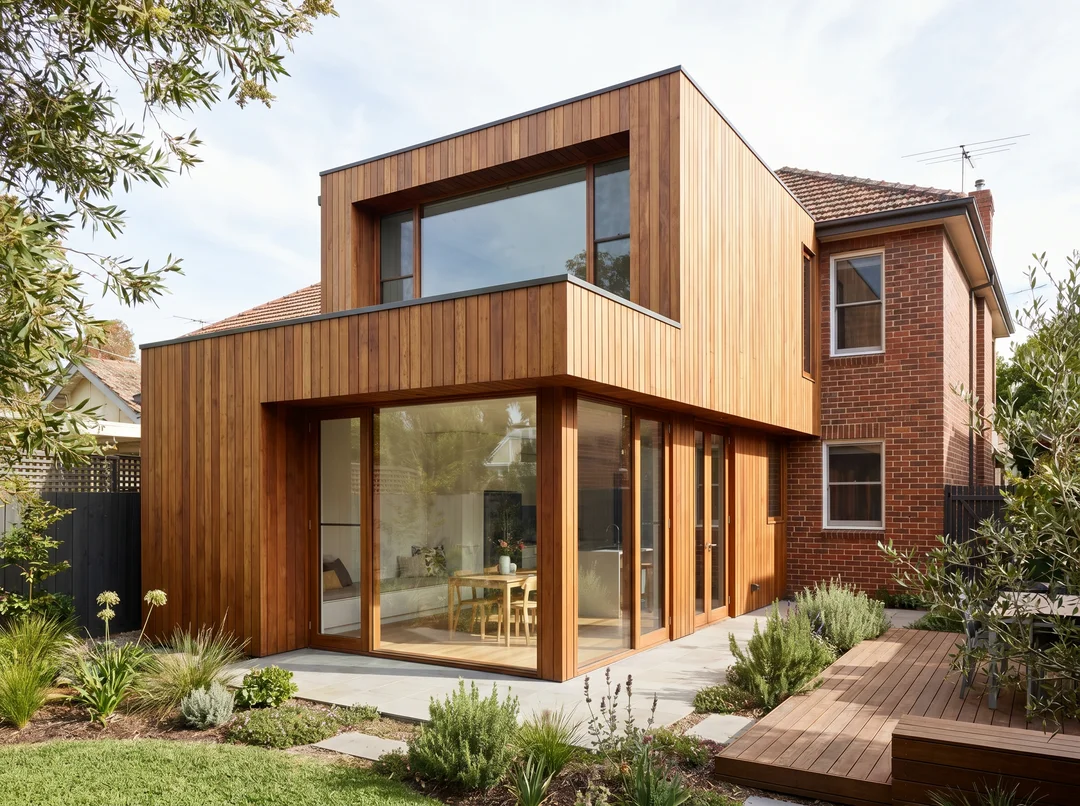
Any addition, second-storey extension, opening of a load-bearing wall, or transformation of the roof framing (the work of a carpenter). Any window or door modification that changes the size of the opening. Replacement of exterior cladding in zones governed by an appearance bylaw (often heritage or strict residential areas). Plumbing or electrical work that adds or modifies connections. Finishing a basement to make it habitable. Building a shed beyond a certain footprint. Installing a pool or spa.
What generally doesn't require a permit: interior and exterior paint (outside heritage restrictions), tile or flooring replacement in an existing room, replacing a window in the same opening, minor repairs.
Useful rule: before starting any project over $5,000, call the municipal urban planning office or check the borough's website. Five minutes of verification prevents weeks of complications.
The Application Process
Most municipalities now accept applications online through a portal. A typical file includes:
A detailed description of the work and its precise location in the home. Scaled drawings (sometimes stamped by an architect or technologist depending on complexity). Estimated project cost and the name of the home renovator retained, with their RBQ licence number. For exterior projects, photos of current conditions and a sketch of the final result. For projects in heritage zones, the municipality may require a presentation to the urban planning advisory committee (CCU), which typically adds 4 to 8 weeks to the timeline. Understanding the roles of architect, designer or contractor helps figure out who handles it.
Once the file is submitted and complete, processing times vary widely by city and season. For a simple project in Montreal, expect 4 to 8 weeks. For a complex project or one in a heritage zone, 3 to 6 months isn't unusual. Smaller municipalities can be faster but also more particular about details.
When the permit is issued, the notice must be displayed visibly from the street (usually in a window or on a stake). It's a legal requirement, not decoration.
What It Costs
Permit costs vary by municipality and project size. A typical calculation combines a minimum fixed fee with a percentage of the project's value.
In Montreal, a basic interior renovation permit costs around $250 to $600. A residential addition typically runs $800 to $2,500 depending on scope. In Quebec City, Laval, Longueuil, and most suburbs, ranges are similar. Some smaller municipalities apply a more modest flat rate.
On top of those fees come occasional specific taxes (such as a transfer duty for major structural changes) and the cost of stamped drawings if required (often $2,000 to $8,000 for an average residential drawing).
The Real Cost of Not Having One
Skipping a required permit has tangible consequences, and they all surface at the wrong moment.
At resale, the notary systematically checks that significant work matches issued permits. A relocated kitchen, an opened wall, or a basement renovation finished without permits can stall the transaction, force retroactive regularization (often 50 to 100 percent more expensive), or push the price down.
In a loss event (fire, major water damage), the insurer can deny the portion of the claim tied to unpermitted work, on the grounds that it wasn't code-compliant. This happens regularly and the amounts involved are significant.
If a neighbour complains or the city discovers the work by other means, fines can reach several thousand dollars, and the city may require demolition of non-compliant elements. It's rare, but it happens.
Finally, the contractor's warranty often falls away when the work wasn't permitted. If something fails two years in, you have no recourse.
Frequently Asked Questions
How long is a renovation permit valid once issued?
In Quebec, the standard duration is 12 to 24 months depending on the municipality. If work isn't started within that window (or finished, depending on the wording), the permit lapses and a new application is required, often at full cost. For larger projects, it's common to request an extension before expiry rather than redo the whole process.
Do you need a permit to redo a kitchen in Quebec?
It depends on scope. Replacing cabinets and counters in the same location without touching plumbing or electrical generally doesn't require a permit. Moving the sink, changing the electrical panel, taking out a wall between kitchen and dining room, or modifying exterior ventilation are all changes that require a permit in most municipalities.
My contractor says no permit is needed. Should I trust them?
Not without verifying. Some contractors minimize paperwork to close the sale faster or save plan-preparation time. Practical rule: if the project significantly affects structure, envelope, plumbing, or electrical, ask the contractor to show you written confirmation from the municipality that no permit is required. If they refuse or dodge, that's a red flag.
Can work done without a permit be regularized after the fact?
Yes, but it's more expensive and longer than applying at the right time. The municipality can require full code compliance, after-the-fact drawings, and apply a penalty. For minor work, regularization remains accessible. For an addition that doesn't comply with zoning bylaws, the situation can become locked in and force partial demolition.
Ready to start your project?
Describe your work, choose how many quotes you want to receive, and compare qualified contractors near you. Free and no commitment.