
Basement Insulation in Laval: Methods and Companies
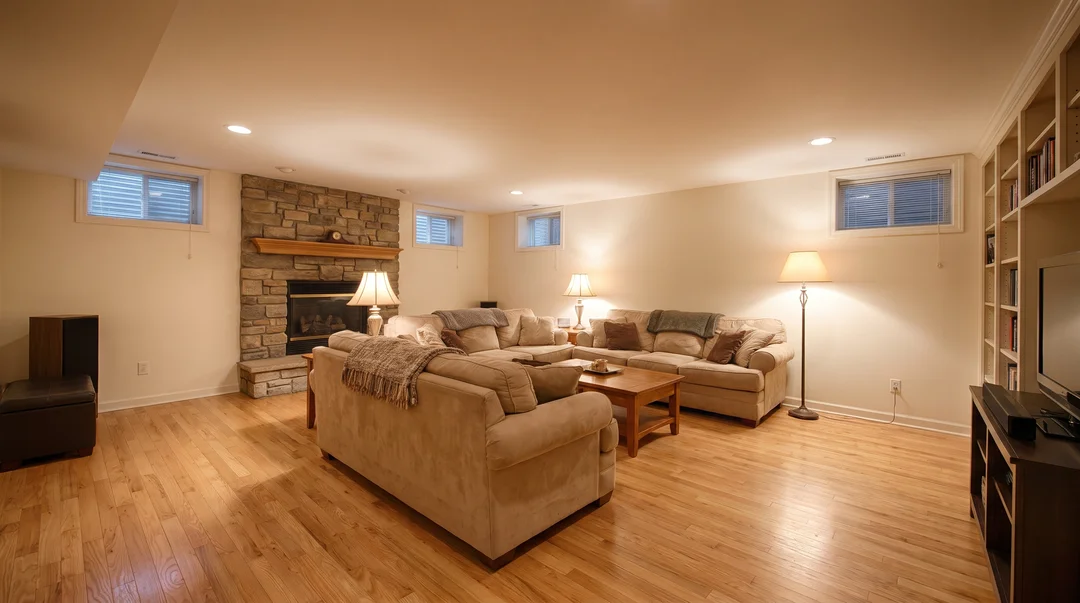
A large share of Laval homes are bungalows and split-levels built between the 1960s and 1980s, in Chomedey, Duvernay, Vimont or Sainte-Rose. Their basements were often finished long ago, with methods nobody uses anymore. A poorly insulated basement is cold, damp, and lets a good part of the house's heat slip away.
This guide covers how to insulate a basement properly in Laval, and then lists the city's insulation companies on Zone Réno.
Deal With Water First
Insulating a foundation wall that lets water in just hides the problem. Before anything else, check:
- cracks in the foundation and efflorescence, that white powder on the concrete;
- a musty smell in old finished walls;
- the slope of the yard and the downspouts, which should carry water away from the house.
Our article on basement waterproofing covers the fixes if water gets in.
The Old Method, and Why It Is Avoided
Many Laval basements have wood framing tight against the concrete, batt insulation in the wall and polyethylene over it. The concrete stays cold, moisture condenses between the concrete and the batts, and mould grows where no one can see it. When those walls are opened, there is often stained wood and wet insulation at the bottom.
Today's Methods
- Rigid panels against the concrete. Extruded polystyrene or polyisocyanurate glued straight to the foundation, joints sealed. The wood wall goes in after, with insulation between the studs if more resistance is needed.
- Spray polyurethane foam. It sticks to the concrete, seals air and insulates in one step. It is very effective but needs a qualified installer and good ventilation during application.
- Rim joists. The top of the foundation, where the floor sits, is one of the leakiest spots in a house. A bit of spray foam there makes a big difference.
Our guide on basement finishing helps plan the rest of the project.
Rénoclimat, Permits and the Licence
The Rénoclimat program can help pay for foundation wall insulation, provided you get an energy evaluation before the work. Our article on Rénoclimat insulation explains the steps. Finishing a basement often requires a permit: check with the City of Laval before you start.
The contractor must hold an RBQ licence covering insulation work. You can verify an RBQ licence in seconds.
Insulation Companies in Laval
The companies below are Laval insulation companies listed on Zone Réno. Ask each one which method they recommend for your foundation walls and whether they treat the rim joists.

Isolation Algon Éco Inc.
Insulation · Laval
Isolation Algon 2000 is a Quebec specialist in thermal, acoustic and mechanical insulation for residential, commercial, industrial and institutional sectors. Services including fireproofing and asbestos removal for more than 25 years.

Calfeutrage Rive-Nord inc.
Insulation · Laval
Calfeutrage Rive-Nord specializes in caulking, joint sealing and waterproofing in buildings since 1997. The company serves residential, commercial, institutional and industrial clienteles in the Montreal region and surrounding areas.
Les Isolations Girbec Inc.
Insulation · Laval
Isolation Girbec is a company specializing in thermal insulation and residential soundproofing for over 30 years. Based in Blainville, it offers cellulose, polyurethane foam and fiberglass insulation installation services to residents of Quebec's North Shore.

Isolation Algon (2000) inc.
Insulation · Laval
Isolation Algon 2000 is a Quebec specialist in thermal, acoustic and mechanical insulation for the residential, commercial and industrial sectors. The company also offers asbestos removal and fireproofing services with high performance products that comply with LEED standards.
Mrs Isolation Inc.
Insulation · Laval
Mrs Isolation Inc. is a company based in Laval. It holds a Régie du bâtiment du Québec licence for insulation and roofing, doors and windows, finishing work and cabinets and countertops.
Uréthane Supérieur de Québec inc.
Insulation · Laval
Family business founded in 1975, specializing in insulation (blown-in fiber, sprayed urethane), soundproofing, fireproofing and waterproof membranes for residential, commercial and institutional projects. Serves Laval, North Shore, Laurentians, Montreal and South Shore with certified ecological products.
Frequently Asked Questions
Do old finished walls have to come down?
Not always, but often. If the walls smell musty, the bottom of the panels is stained or the insulation is damp, it is better to open everything. It is also a chance to check the foundation.
Rigid panels or spray foam: which one?
Both work well against concrete. Spray foam seals uneven walls and rim joists better, while rigid panels often cost less on a straight wall. Many contractors combine the two.
Should the basement floor be insulated?
It adds comfort, especially if the basement is used as a bedroom or family room. Insulated subfloor panels keep feet warm without taking much ceiling height.
Does a well-insulated basement really cut heating bills?
Yes. Uninsulated foundation walls and rim joists let a significant share of a home's heat escape. The savings depend on the starting point, which a Rénoclimat evaluation measures.
Post your project
Describe your work once, and contractors in your area who do this kind of work can get back to you. It's free, with no commitment.
Post a project