Heritage Home Value on the Real Estate Market
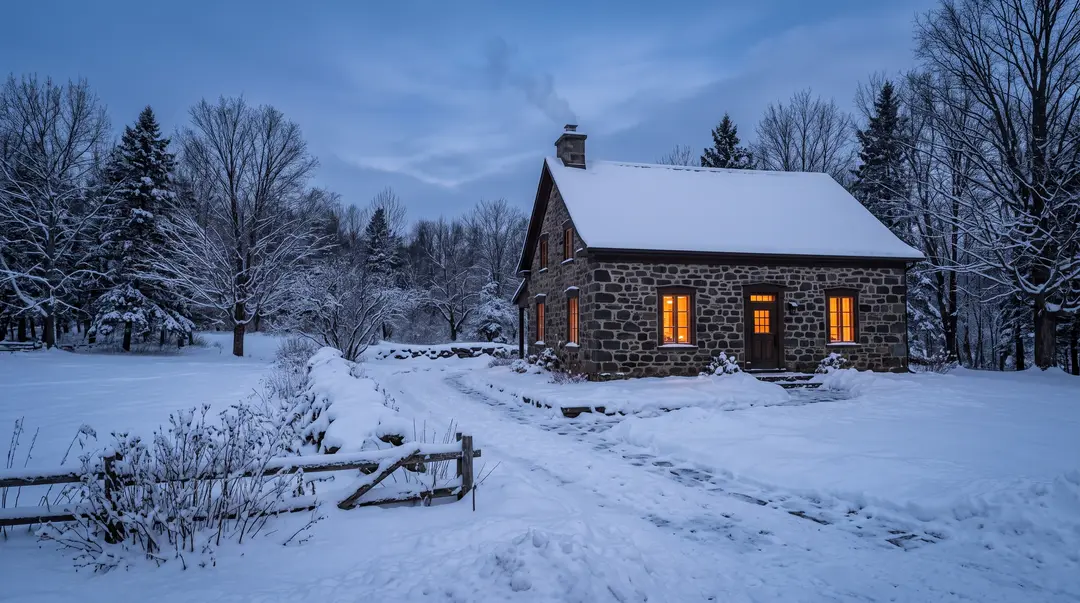
A century-old stone house on a quiet street, its green shutters and ornate wraparound porch visible from the sidewalk, you slow down as you drive past. Then you check the listing. The price? Often well above the comparable new build two streets over.
Heritage homes polarize: some buyers avoid them, others pursue them with an intensity that no new construction ever inspires. On the Quebec and broader Canadian real estate market, that polarization translates into numbers. And the numbers, more often than not, favour older properties.
What Buyers Are Actually Looking For
The real estate market has changed dramatically since the pandemic. The move away from urban centres, the rise of remote work, the search for meaning in living space, all of these forces have pushed character homes to the top of wish lists.
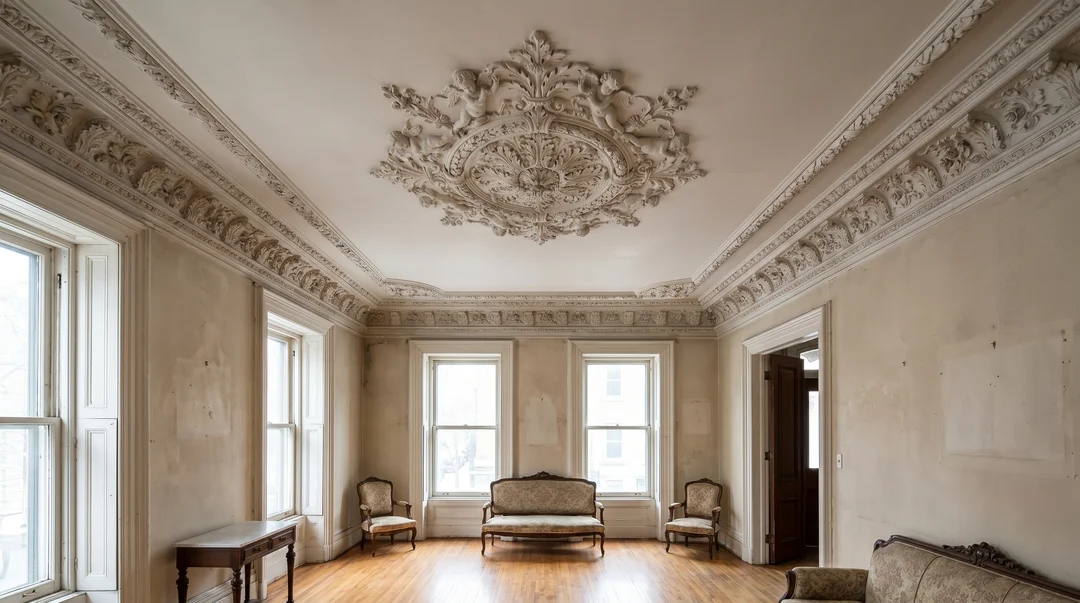
When you survey buyers who chose a heritage home, the same reasons come up again and again: original hardwood floors worn smooth by a century of footsteps, high ceilings with plaster mouldings, double-hung windows flooding a living room with light that no contemporary build could replicate. There is a density of material, a physical presence, that modern construction (with its drywall, hollow-core doors, and floating floors) struggles to match.
Beyond the physical, there is a powerful narrative dimension. An old house has a story. It has survived generations, winters, waves of renovation. For many buyers, owning it means joining that timeline. It is an argument no new construction can make.
The Architectural Details That Raise the Price
On purely real estate terms, certain heritage architectural features act as value multipliers. Agents who work regularly with older properties see it consistently: at equal square footage, the presence of original details can justify a premium of 10 to 25 percent over the asking price for a comparable modern home.
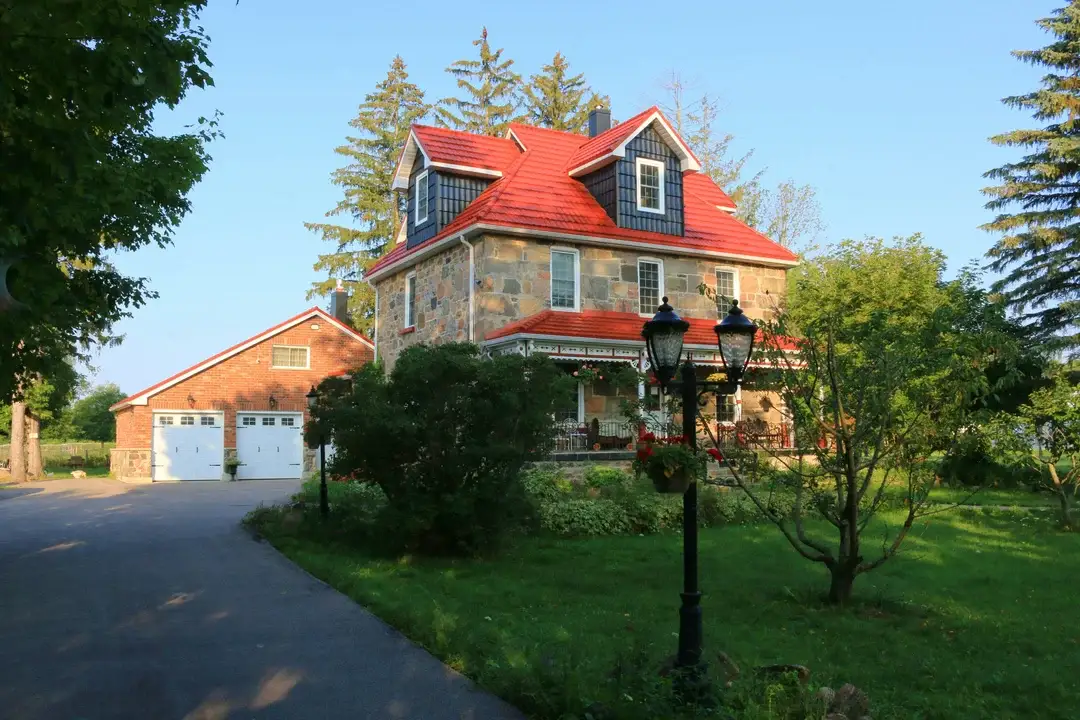
Among the most valued features: original solid hardwood floors, especially white oak, red pine, or maple, in preserved or properly refinished condition; profiled millwork and trim (crown moulding, casing, tall baseboards) that modern craftspeople rarely reproduce; functional masonry fireplaces, even if they require annual inspection; multi-pane windows (six-over-six, eight-over-eight), which provide a visual rhythm buyers respond to; and stone or solid brick masonry, with original mortar joints still intact.
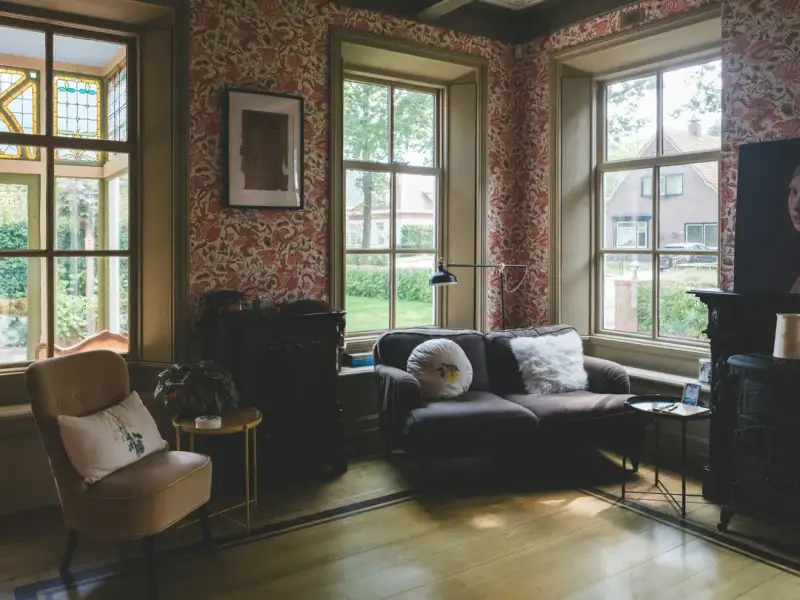
What strikes people in well-preserved old houses is the coherence. When the entire architectural vocabulary has remained intact (when the millwork hasn't been painted over, when the floors haven't been covered in vinyl, when the plaster hasn't been replaced with bare drywall) the house exudes an atmosphere that aesthetically attuned buyers recognize immediately. And atmosphere, in real estate, has a price.
Renovation: Value Driver or Financial Risk?
The question comes up every time. An unrenovated heritage home sells for less. A poorly renovated one does too, sometimes for even less. Renovation is therefore a powerful lever, but a double-edged one.
The renovations that maximize return on investment in an old house are those that solve functional problems without erasing character. On the high-value side: electrical panel upgrade to 200A with replacement of knob-and-tube or cloth wiring; attic and basement insulation without touching original diagonal-plank walls; replacement of galvanized plumbing with copper or PEX; roofing replacement with period-appropriate materials; and kitchen and bathroom modernization in keeping with the style, no dropped ceilings, no filled-in arches.
At the other end, some interventions add little or actively hurt: covering hardwood floors with synthetic flooring, replacing multi-pane windows with contemporary PVC thermopanes, applying stucco or siding over stone or brick facades, or demolishing a fireplace deemed inconvenient.
The golden rule: renovation in a heritage home should solve problems, not erase personality. Buyers who seek a character home aren't coming to pay a premium for something that looks like new construction. To prioritize work before listing, the analysis of renovations that pay back at resale gives benchmarks by category.
Do Heritage Homes Sell Faster?
The answer is nuanced, and depends heavily on the local market.
In tight markets (like those that characterized many Quebec cities between 2020 and 2023) heritage homes in sought-after neighbourhoods sold in days, sometimes with multiple offers. The pool of qualified, motivated buyers exceeded the available supply.
In a balanced or buyer's market, the dynamics shift. A heritage home with significant challenges (aging roof, fuse-box electrical, wet basement, lead paint, asbestos) can sit for weeks or months. Not because no one wants it, but because financing becomes more complex: several lenders require pre-mortgage repairs, and buyers stretched financially can't absorb surprises.
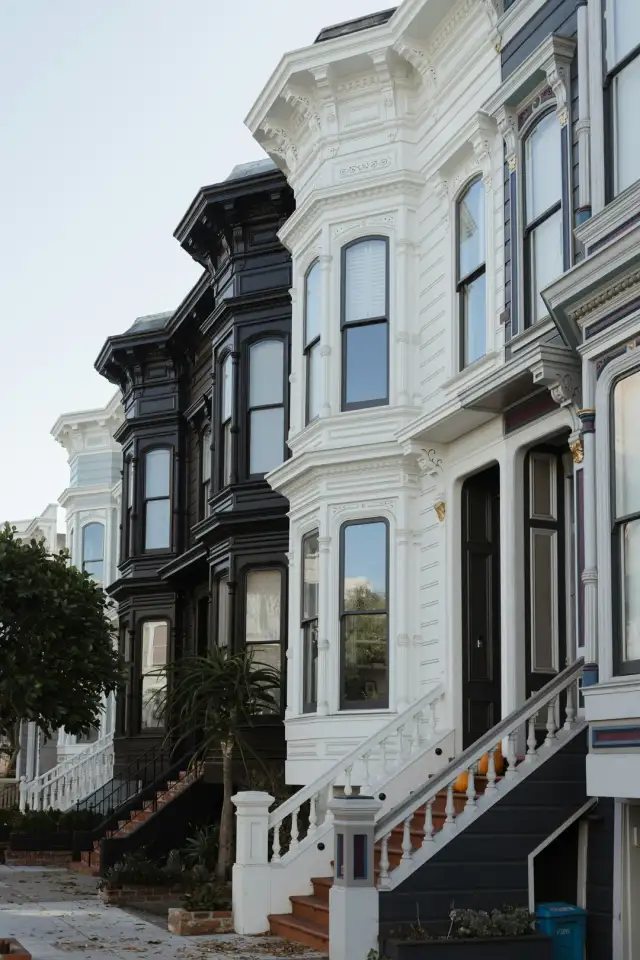
The winning strategy for a quick sale: present the house in a condition that reassures. That doesn't mean renovating everything (buyers of heritage homes often want to make it their own) but making sure the critical systems are sound, that an inspection won't surface a major hidden defect, and that the staging highlights the heritage features rather than concealing them.
Heritage Districts: A Documented Price Premium
The value of an old house can't be calculated without its context. Heritage neighbourhoods create a well-documented price premium in real estate economics. When buyers choose a heritage neighbourhood, they aren't just choosing a house, they're choosing a coherent living environment, a street where facades have maintained their unity, where the trees are a hundred years ahead of the new suburbs.
In Quebec, areas like Old Quebec (UNESCO World Heritage Site), Old Montreal, the heritage streets of Trois-Rivières or Saint-Jean-sur-Richelieu, the old villages of the Eastern Townships or Charlevoix, all benefit from this location premium.
The empirical data: research by the Conseil du patrimoine de Montréal found that properties in heritage protection zones sold at an average 8 to 15 percent above comparable properties outside the zone. The premium varies with the density of the heritage fabric and the notoriety of the neighbourhood.
For sellers in such areas, the heritage designation is an argument to make explicitly, and to document. A listing that mentions the neighbourhood's heritage status, illustrates the building's history, and provides records of compliant renovations will carry more weight than a generic description.
Heritage Designation: Protection or Constraint?
An important distinction: there is a difference between a house in a heritage neighbourhood and a house designated as heritage under Quebec's Act Respecting Cultural Heritage.
An official designation (cited or classified heritage property) protects historical value but also imposes obligations. Any exterior modification (facade, windows, roofing, porches) must be approved by the relevant authorities (municipality or Ministry, depending on the level of designation). Materials, methods, and colours are regulated.
For an owner who loves the house as-is and wants to preserve it, this is as much a protection as a constraint. But for a buyer who wanted to replace the windows, install vinyl siding, or enclose the porch as a sunroom, the designation can come as a discouraging surprise.
The recommendation: before listing a designated or potentially designable property, verify the exact status with the municipality and prepare a clear explanatory note for prospective buyers. Transparency prevents aborted transactions and attracts buyers who share the heritage values, which, in the end, protects the price.
Preparing Your Heritage Home for Sale
A few concrete actions to maximize value at listing time.
Highlight the authenticity: sand and refinish hardwood floors, repaint the millwork in period-coherent tones (off-white, sage green, grey-blue), clean and repoint masonry joints. These low-cost actions have immediate visual impact.
Address issues that complicate financing: a pre-listing inspection is an investment that pays for itself. It lets you identify and fix problems before buyers discover them, and avoids last-minute price renegotiations.
Gather the building's history: renovation invoices, prior inspection reports, archival photographs, recent certificate of location. The more information a buyer has, the less reason they have to hesitate.
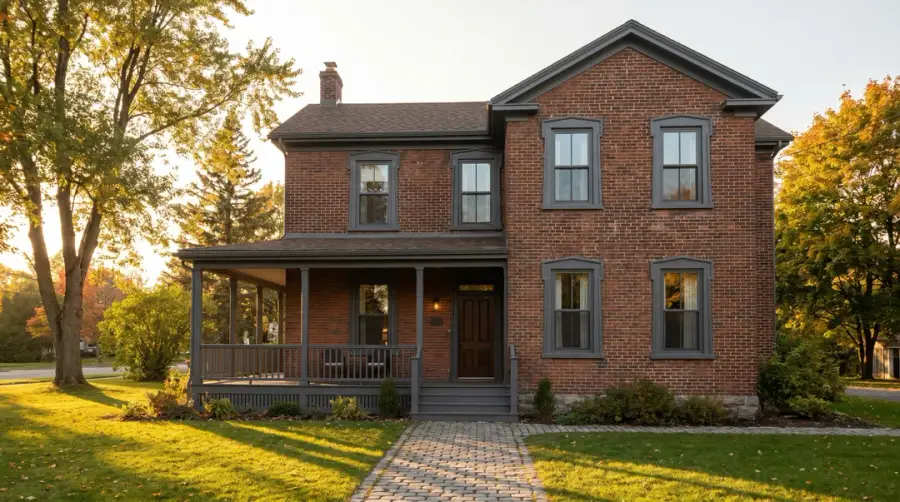
Choose the right season: heritage homes photograph best in summer or early fall, when the mature garden and trees frame them advantageously. Avoid a mid-winter listing if the calendar allows.
Work with a specialist broker: not all real estate agents understand the nuances of older properties. A broker experienced in heritage homes will find buyers who understand the value, and won't negotiate it down because of features that are precisely what attracted them.
Frequently Asked Questions
Is a heritage home worth more than a comparable new build at the same square footage?
It depends on the market, the condition of the building, and the location. In sought-after heritage neighbourhoods, the premium can reach 15 to 25 percent. In less desirable areas, a poorly maintained old house may sell for less than a comparable new build. Condition and location are the two most determinative variables.
Does renovation always increase the value of a heritage home?
No. Renovations that erase heritage features (replacing period windows, covering hardwood floors, applying stucco over masonry) can reduce value for buyers who were specifically seeking the character. The renovations that maximize return are those that solve functional problems without touching the original aesthetics.
Does heritage designation hurt resale value?
Not necessarily. It reduces the potential buyer pool (those who wanted to renovate freely will step back), but it attracts a more qualified and motivated buyer profile. Studies on Canadian markets show that designation has no statistically significant negative effect on final sale price, it sometimes extends time on market, but not always.
Must I disclose the presence of asbestos or lead paint when selling in Quebec?
Yes. Quebec law requires sellers to declare any known defect that could influence a reasonable buyer's decision. Asbestos in building materials (plaster, insulation, floor coverings) and lead-based paint fall squarely in that category. Failing to disclose exposes the seller to legal recourse after the sale.
What's the best way to estimate the value of a heritage home?
The comparable sales method remains standard, but is harder to apply to heritage homes because each property is relatively unique. A chartered appraiser with heritage property experience is the best option, they know how to weight the distinctive elements that don't fit into standard appraisal grids.
Ready to start your project?
Describe your work, choose how many quotes you want to receive, and compare qualified contractors near you. Free and no commitment.