Inspecting a heritage home: 12 critical points to check
A standard pre-purchase inspection takes two hours and ticks boxes. For a heritage home, that's not enough. Generalist inspectors know the 2026 codes; they don't always know what hides behind a fieldstone wall or why a hemlock floor creaks under certain steps. Here are the 12 points that separate a good purchase from three years of expensive surprises.
1. Foundations and drainage: start outside, before going down to the basement
Walk the perimeter first. A fieldstone, brick, or even pre-1960 poured concrete foundation doesn't handle water like modern ones. Three things to spot outside:
- Lot grade: the soil should slope away from the house for the first 2 metres. If rainwater pools near the footing, that's already a problem.
- Vertical or stair-step cracks on the visible footing. Horizontal ones are the worst: they indicate lateral pressure pushing the wall inward.
- French drains: ask the age. If no one knows, it's probably older than 25 years and nearing end of life.
Down in the basement, check corners, floor-to-wall joints, and the base of any posts. A whitish efflorescence means water is migrating through the masonry.
2. Masonry and facade: the mortar tells everything
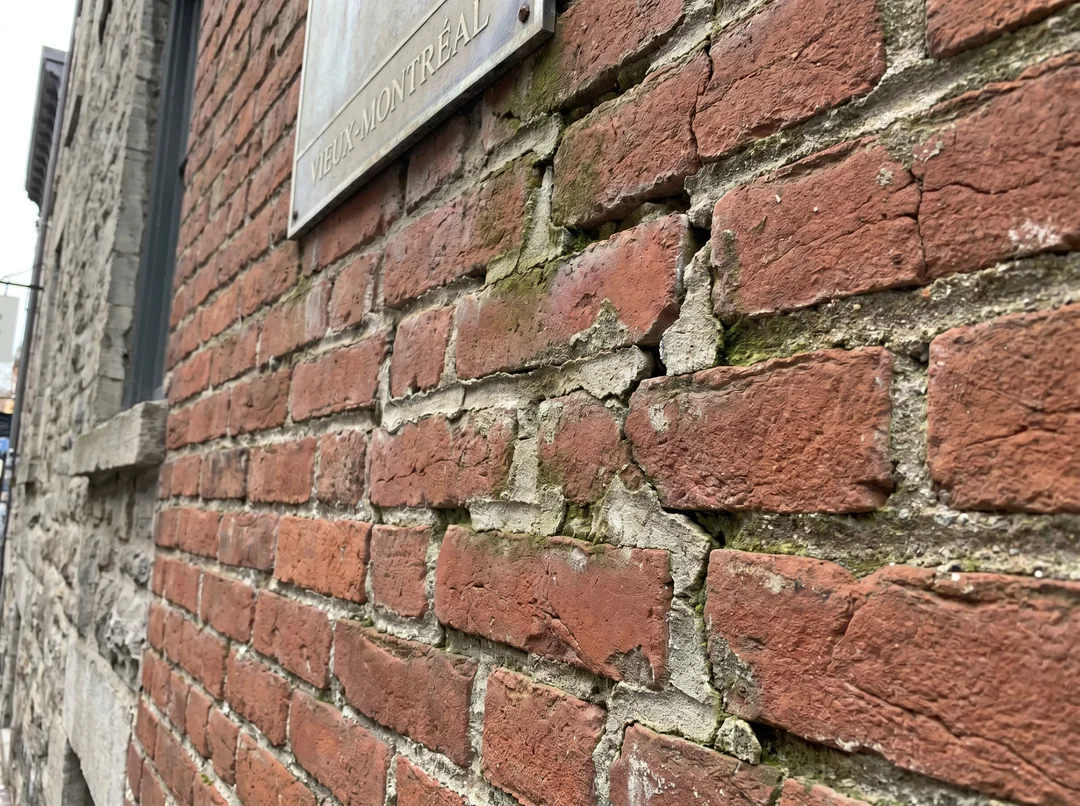
The brick in a 1900s home is soft and porous. If someone repointed it with modern Portland cement mortar, the brick gets literally crushed by freeze-thaw cycles and eventually spalls off. Look for brick chips at the base of the wall, joints that bulge outward, or bands of mortar visibly greyer and smoother than the rest.
Four more signals: bricks that sound hollow when tapped lightly, white salt deposits, cavities where mortar has disappeared completely, and any vertical crack crossing more than three courses.
3. Roof, framing and attic: go up and look
Asphalt shingles have a known life cycle. The framing does not. In a heritage home, the structure can be hemlock, pine, or cedar, sometimes mortise-and-tenon assembled without a single screw. It's solid, but it works. In the attic, check:
- Sagging ridge or rafters (a sight line is enough to spot a dip).
- Infiltration marks on the roof deck: dark stains, compressed or blackened insulation.
- Ventilation: without soffit intake and ridge exhaust, moisture builds up and the framing rots slowly.
4. Floors, interior walls and plaster: what cracks really say
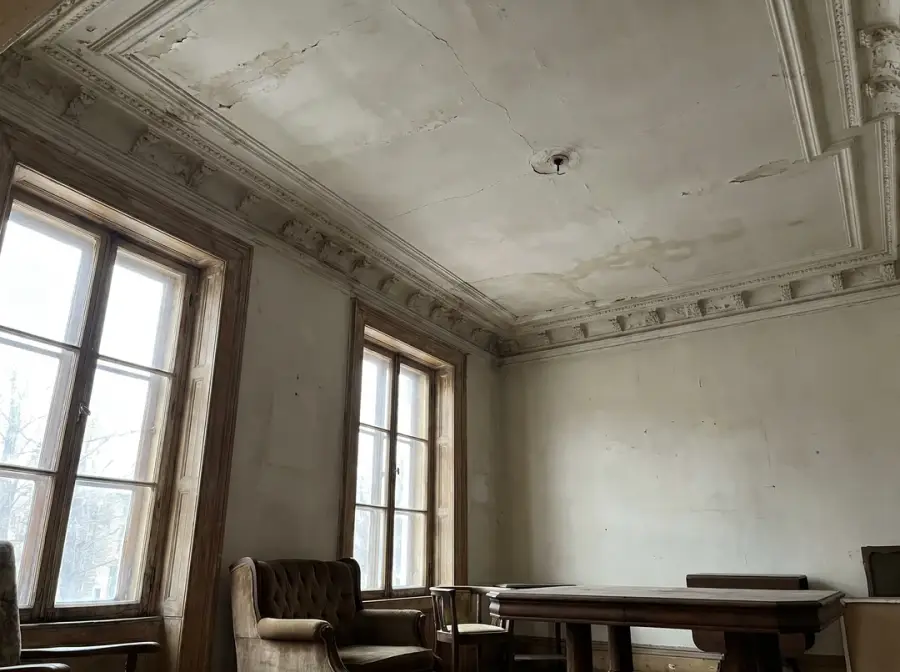
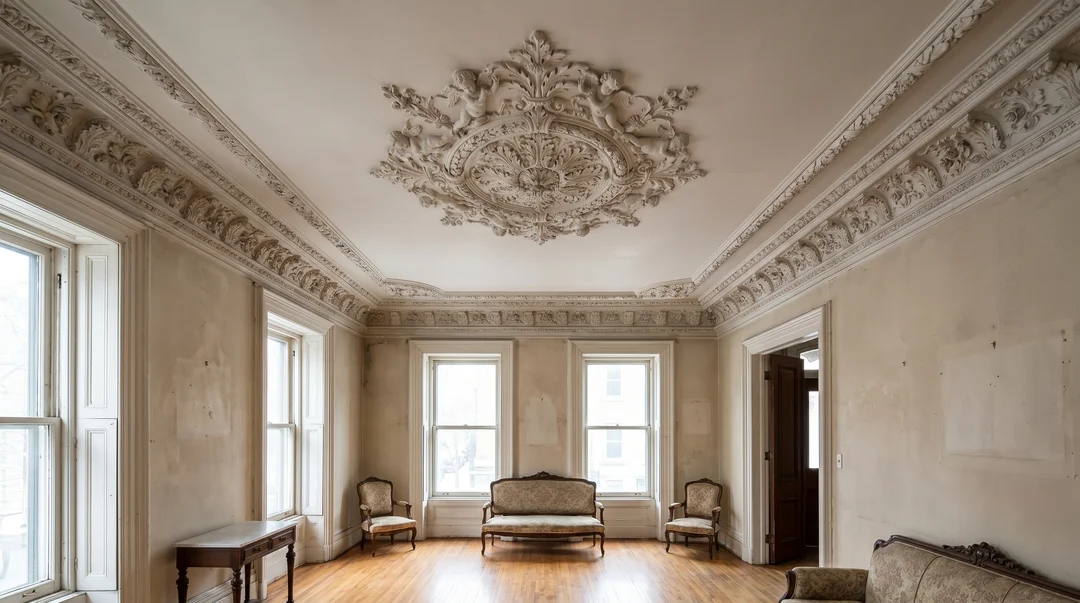
Not all plaster cracks are equal. A thin diagonal crack above a doorway is almost normal in a century-old home: it moves with the seasons. A horizontal crack tracking the wall-ceiling joint and widening is something else. Also look for:
- Yellowish stains on the ceiling: active infiltration, or old infiltration that was never properly repaired.
- Floors that visibly slope (drop a marble, see where it rolls). A slight slant, normal. More than 2 cm over 3 metres, dig deeper.
- Doors that bind or won't latch in their frame: the house has shifted recently.
5. Mechanical and services: the blind spot of standard inspections
This is where an inspector without heritage experience misses the real story. Three costly items to flush out:
- Knob-and-tube wiring or aluminum in the walls: not illegal, but many insurers now refuse to cover the home without full replacement (budget $8,000 to $20,000 for an electrical reno).
- Lead or cast-iron piping: cast iron still drains well, but it cracks from the inside without warning. Running a sewer camera through the main drain costs about $350 and can prevent a $15,000 surprise.
- Asbestos and lead: any grey fibrous insulation around ducts, any old vinyl wallpaper, any pre-1980 paint. Not a catastrophe, but it changes the cost and complexity of every future renovation.
In short: what deserves a second opinion
If the inspection turns up even one of the following, get a specialist on site before you sign: a horizontal foundation crack, modern mortar over clay brick, active ceiling infiltration, sagging framing, or original electrical wiring not yet replaced. The cost of a second opinion ($300 to $600) is trivial compared to what you might absorb otherwise.
A heritage home in good shape is one of the best real estate investments in Quebec. A heritage home with two or three undetected problems can wipe out your purchase margin in the first year.
Frequently Asked Questions
How much does a heritage home inspection cost in Quebec?
Between $600 and $1,200 depending on the home's size, vs. $400 to $600 for a standard inspection. The difference covers more time (3 to 5 hours) and specific expertise: identifying original mortar, reading plaster, evaluating old framing.
Who should I call for a heritage home inspection?
A building inspector who is a member of AIBQ or AACQ, with clear heritage experience listed. Ask to see three sample reports of similar inspections before booking. A good heritage inspector will sometimes decline mandates outside their competence (slate roofs, for example).
Which red flags are truly deal-breakers?
Three cases warrant walking away: active horizontal foundation cracks, structurally compromised framing (major sagging, extensive carpenter ant damage), and black mold over more than 1 m² in an enclosed area. The rest is negotiable.
Should I add a thermography scan?
For a home over 80 years old, yes. A thermal camera spots thermal bridges, air leaks, and hidden moisture behind finishes in minutes. Budget an extra $250 to $400, ideally done the same day as the visual inspection.
Is an inspection mandatory to buy?
No, but no serious lender will finance a 50+ year-old home without a recent inspection report, and no homeowner's insurance will cover defects that an inspection should have caught. Skipping the inspection to win a bidding war is almost always a bad deal.
Ready to start your project?
Describe your work, choose how many quotes you want to receive, and compare qualified contractors near you. Free and no commitment.