Hardwood Floors in an Old Home: Restore, Maintain, Preserve
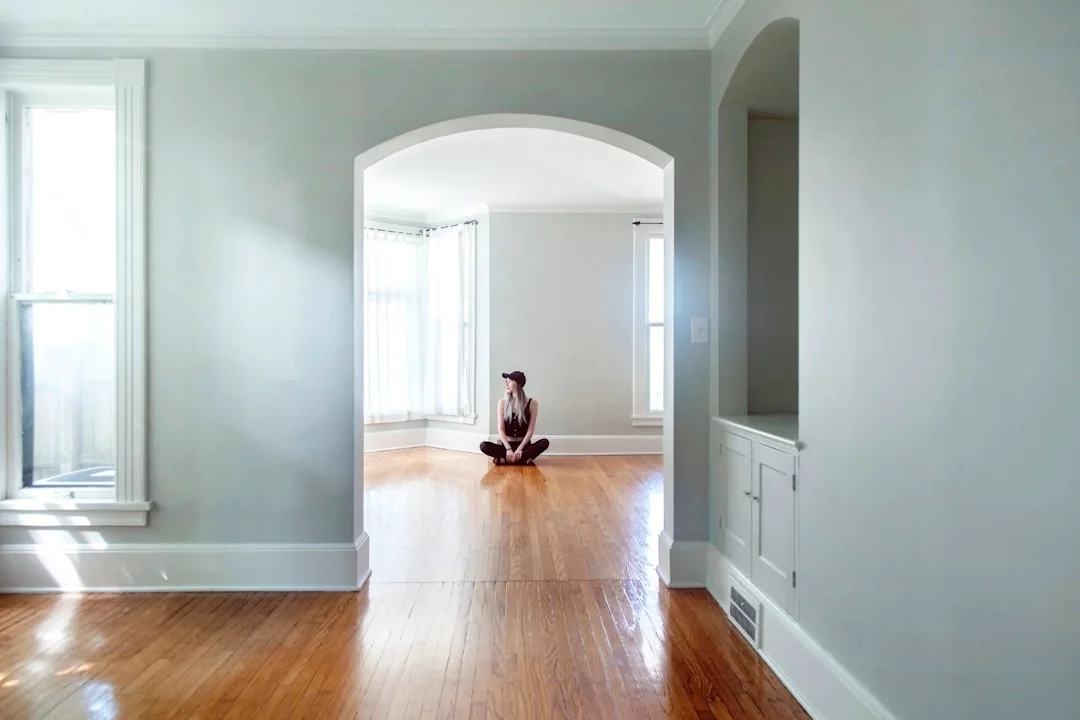
Sometimes all it takes is lifting a corner of carpet or pulling up a few rows of vinyl to uncover what decades of "renovations" have hidden: a magnificent original hardwood floor, complete with its marks, its grain, its history. In homes built before 1950, these floors are the rule rather than the exception.
Restoring them rather than replacing them isn't just an economic or ecological choice, it's an act of respect for what was built to last. And with today's products and techniques, the process is far less daunting than it was twenty years ago.
What Old Quebec Homes Are Hiding
In Quebec homes built between 1880 and 1960, hardwood floors are nearly universal. Red oak is the most prevalent, characterized by its pronounced grain and warm color that improves with age. Maple is lighter and very hard, often used in middle-class homes from the 1920s-1950s. White or yellow pine shows up in older homes built before 1900, softer than oak, but with a singular beauty. Elm and ash are less common but present in certain regions, especially around Montreal.
These species have a quality modern flooring simply cannot replicate: they have aged. The wood is densified, stabilized, patinated by decades of use. An original oak floor installed in 1920 is often more structurally sound than a new floor installed today.
Assessing Condition Before Deciding
Before touching anything, you need to assess. Not every situation calls for the same approach.
What to measure first: the remaining thickness of the floor. An original floor was installed at ¾ in. (19 mm). If it's been sanded once or twice already, there may be as little as ½ in. remaining. The general rule: you need at least ⅜ in. (9.5 mm) above the tongue to allow professional sanding. Below that threshold, a light finish is still possible, but you can't remove much material.
What to look for: warped or separated boards as a sign of past or present water infiltration; nail holes, cracks, knots; moldy or discolored areas (a suspicious odor calls for thorough evaluation); and the width of the boards, wide boards over 4 in. are often the oldest and most valuable.
The good news: the vast majority of visible imperfections on an old floor (scratches, discoloration, small cracks) disappear with sanding. What looks irreparable to the naked eye is often trivial for a skilled professional.
Sanding: When, How, and By Whom
Sanding is the most impactful step, and the most irreversible. You remove material; you can't put it back. That's why it requires a methodical approach.
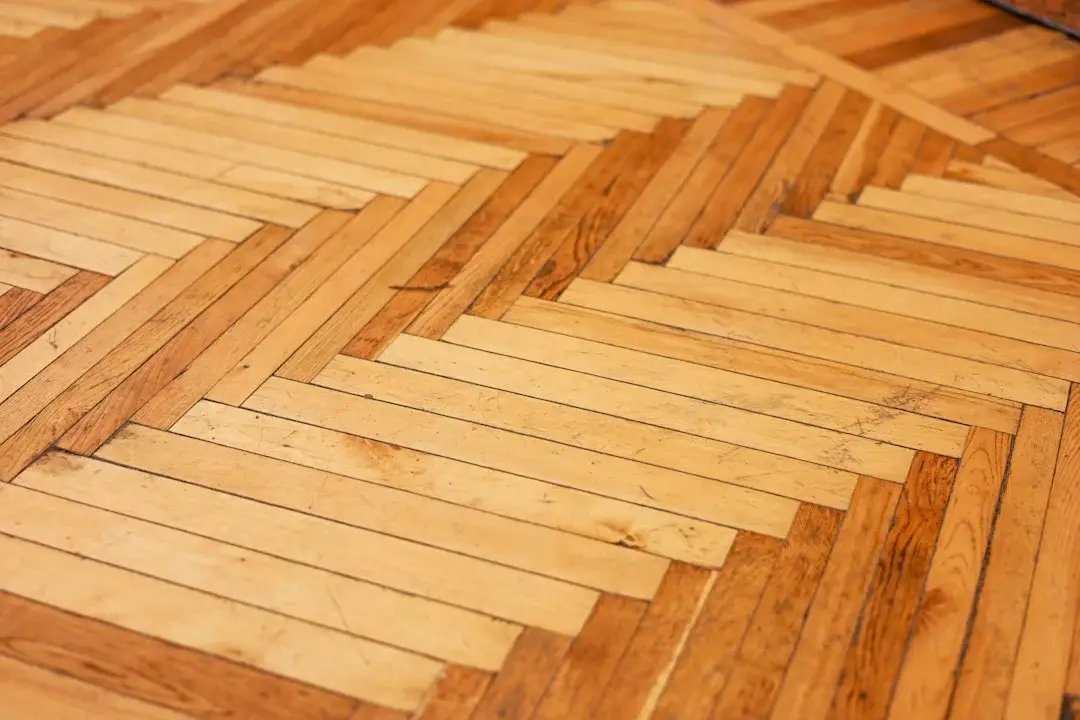
A professional sanding job moves through distinct stages. Coarse sanding (grit 36 to 60) removes old finish, levels heights, and corrects slight warping. Medium sanding (grit 80) refines the surface and corrects marks from the first pass. Fine sanding (grit 100 to 120) prepares the surface for finishing. Edge sanding handles the corners and borders that drum sanders can't reach, done by hand or with an edge sander.
Modern equipment now captures 70% to 85% of dust at the source, compared to less than 30% with machines from twenty years ago. It's no longer necessary to empty the house before work begins, but it's still advisable to cover furniture and close air ducts.
As for the DIY question: for an original floor in good condition that hasn't yet been sanded, an experienced homeowner can manage by renting equipment. But mistakes are costly, a poorly controlled sander digs visible undulations. For softwood floors (pine, elm) or patterned parquet (herringbone, Versailles), hiring a professional is strongly recommended.
Choosing Your Finish: Water-Based Varnish, Oil, or Wax
This decision defines both the final appearance and the maintenance requirements for years to come.
Water-Based Polyurethane Varnish
This is the dominant finish in the industry since the 2010s. Technological advances have produced formulas that emit very few VOCs, often under 100 g/L, well below the federal regulatory threshold of 350 g/L. It's highly resistant to scratches and abrasion, dries quickly (2 to 4 hours between coats), and produces low odor that keeps the home livable during work. Available in matte, satin, or gloss finishes.
The trade-offs: it has a slightly plastic appearance compared to an oil finish, localized damage is difficult to repair invisibly, and the entire floor must be re-sanded to be refinished. Best suited for families with children or pets, high-traffic rooms, and homeowners who want a durable, low-maintenance result.
Oil Finish
Oil finishing is making a strong comeback in the heritage restoration world. Natural oils (linseed, tung, coconut) sometimes blended with natural resins, penetrate into the wood rather than forming a surface film. The result is a natural, "living" appearance that reveals wood grain incomparably. Spot repair is possible: a scratch can be treated locally without touching the rest of the floor. And the aging is graceful, the marks of time are part of the aesthetic.
The demands are real: more regular maintenance (a maintenance coat every 1 to 3 years depending on traffic), less stain resistance than varnish, and longer drying time (24 to 48 hours between coats). Best for heritage floors, historically authentic finishes, and homeowners who appreciate the natural aesthetic and are prepared to maintain it.
Natural Wax
Wax (beeswax, carnauba) was the standard finish before the varnish era. It's extremely rare in residential projects today, but some specialized restorers still offer it for high-heritage-value projects. Beautiful, but demanding sustained maintenance and not suited to high-traffic areas.
Stains: Yes, But With Caution
Staining a hardwood floor is technically simple. Doing it well (uniformly and durably) is considerably more difficult.
Old wood absorbs stain unevenly depending on grain, knots, and the wood's history. Open-grain species like oak hold stain better than dense ones like maple. Very dark stains (espresso, ebony) amplify imperfections and require flawless preparation.
For heritage floors, keeping the natural color with a slightly warming finish is often the best choice. The richness of original wood, revealed by sanding, is sufficiently beautiful on its own.
Integrating Missing Pieces
In an old home, it's common for part of the floor to have been replaced, or for a door to have been opened in a wall, leaving a few boards missing on either side. Integrating new wood into an old floor invisibly is an art.
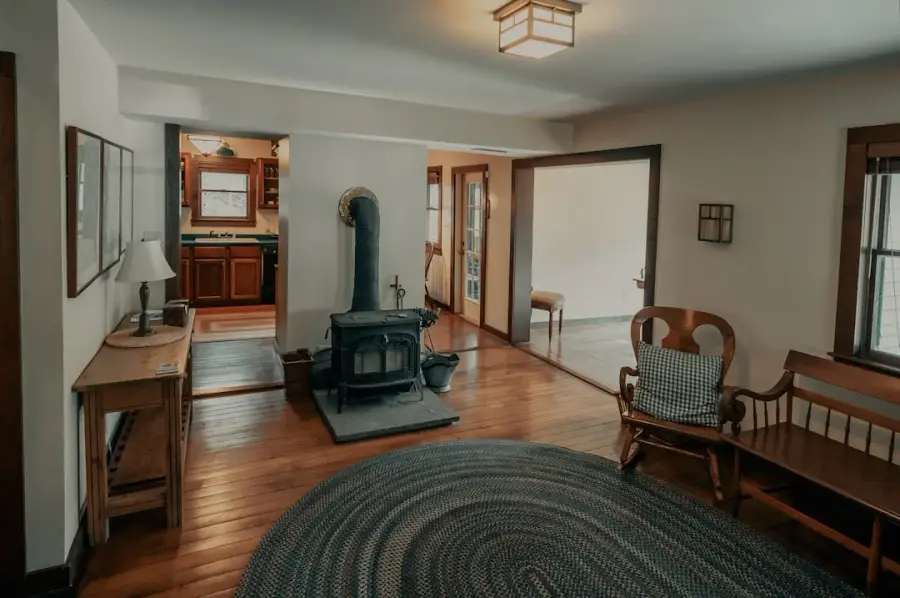
Salvaged wood is the best solution. Period boards salvaged from demolitions or homes of the same era, sanded and finished identically, become practically invisible. Some suppliers also offer artificially aged new wood treated to mimic natural aging. In some contemporary restoration projects, the difference between old and new is intentionally marked, as one would do with an architectural addition, a valid aesthetic decision.
Good sources for salvaged wood in Quebec: reuse material centers, barn wood dealers, and specialists in old building demolitions.
Daily Maintenance: Protecting What You've Just Restored
A restored and well-finished floor doesn't ask for much, but it does ask for the right things.
What protects: felt pads under furniture legs, replaced regularly when they get dirty (otherwise they become abrasive); an entry mat to capture sand and gravel (the real enemy of wood); relative humidity between 35% and 55% year-round (extreme variations make wood move); and dry or slightly damp cleaning, never abundant water on wood.
What damages: "all-purpose" cleaning products (the vast majority are too alkaline and degrade finishes); sweeping with a stiff-bristled broom (use a microfiber dust mop instead); and prolonged direct sunlight without curtains or blinds, sun yellows and discolors wood over time.
For oiled floors, a specific soap-based cleaner (such as diluted natural black soap) nourishes the wood while cleaning it.
What Does It Cost?
Prices vary depending on species, condition, area, and chosen finish.
| Service | Approximate cost (per sq. ft.) |
|---|---|
| Sanding and water-based varnish (2 coats) | $3 to $6 |
| Sanding and oil finish | $4 to $8 |
| Sanding only (without finish) | $1.50-$3 |
| Individual board replacement | $8 to $20/lin. ft. |
| Staining (in addition to varnish) | $0.50-$1.50 |
For an average home with 800 sq. ft. of floors to restore, budget $3,500 to $6,500 for complete work, finish included.
Finding the Right Craftsperson
Heritage floor restoration is a specialty. Not every floor installer knows how to handle 1900 white pine or pre-war herringbone parquet. Depending on your area, see flooring contractors in Montreal or flooring contractors in Quebec City, and a carpenter for structural repairs under the floor. Look for explicit experience with homes over 50 years old, references with before/after photos on similar projects, knowledge of different species and their specific behaviors, and the ability to identify risk areas (warping, old repairs) before starting.
Always ask directly: Have you worked on original white pine or maple floors before? What finish do you recommend in my situation? A good craftsperson answers with precision.
Frequently Asked Questions
Can you keep original floors if some boards are badly damaged?
In the vast majority of cases, yes. Badly damaged boards can be replaced individually, with salvaged period wood, the result is often imperceptible once the entire floor is sanded and finished uniformly. The rule is to replace only what is strictly necessary.
What's the difference between hardwood flooring and parquet?
"Hardwood flooring" refers to the material (dense wood like oak or maple) and its installation in parallel planks. "Parquet" refers to an assembly of short wood pieces in geometric patterns (herringbone, Hungarian point, Versailles). In Quebec homes, straight-plank floors dominate; patterned parquet is rarer and generally found in higher-value homes built before 1940.
Does the house need to be vacated for floor sanding?
With modern integrated-suction equipment, it's no longer necessary. The affected rooms must be cleared of furniture, remaining items covered, and ventilation ducts closed. Residual dust is minimal compared to what it was twenty years ago.
How many times can an old floor be sanded?
It depends on the remaining thickness. A floor originally installed at ¾ in. can theoretically be sanded 4 to 6 times over its life, removing about 1/16 in. each time. Very old floors that have already been sanded multiple times sometimes approach this limit; a professional can measure the thickness with an ultrasonic gauge before starting.
Oil or varnish: which lasts longer?
It depends what you mean by "lasting." A quality polyurethane varnish holds up 10 to 15 years before needing re-coating (without full sanding). An oil finish needs to be maintained every 1 to 3 years with a light maintenance coat, but can theoretically last indefinitely without ever requiring sanding, repairs are done locally.
Ready to start your project?
Describe your work, choose how many quotes you want to receive, and compare qualified contractors near you. Free and no commitment.