Expanding a Heritage Home Without Losing Its Character
Expanding an old house is one of the most nuanced renovation projects a homeowner can take on. It's not just a matter of permits or budgets, it's a question of honesty toward a property that's been standing for a century or more. Done carelessly, an addition can disfigure a heritage facade in months. Done well, it brings new life without erasing history.
What Actually Makes an Old House Feel Like Itself
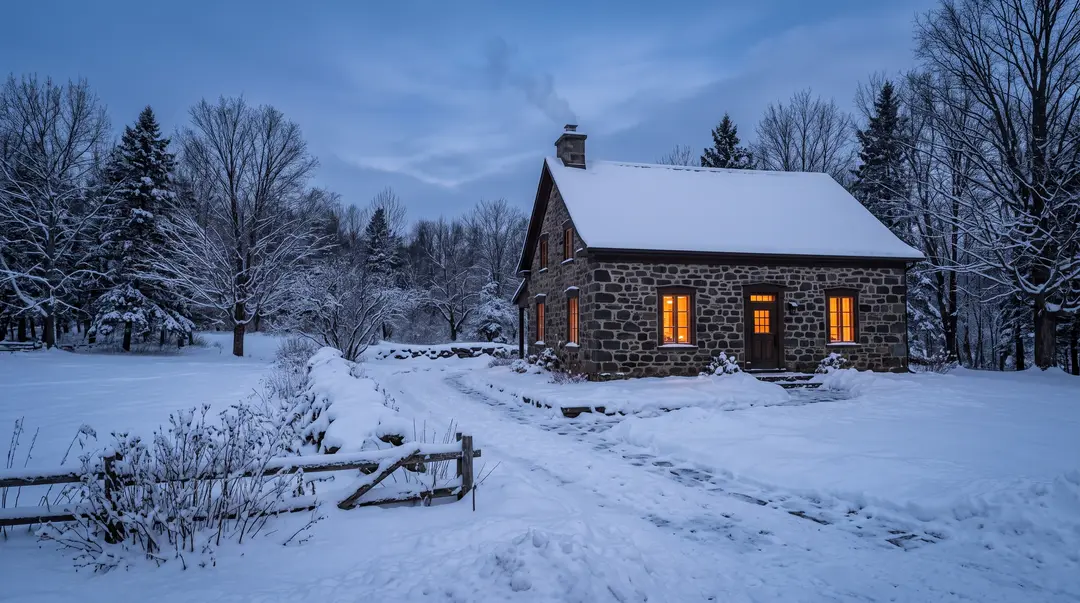
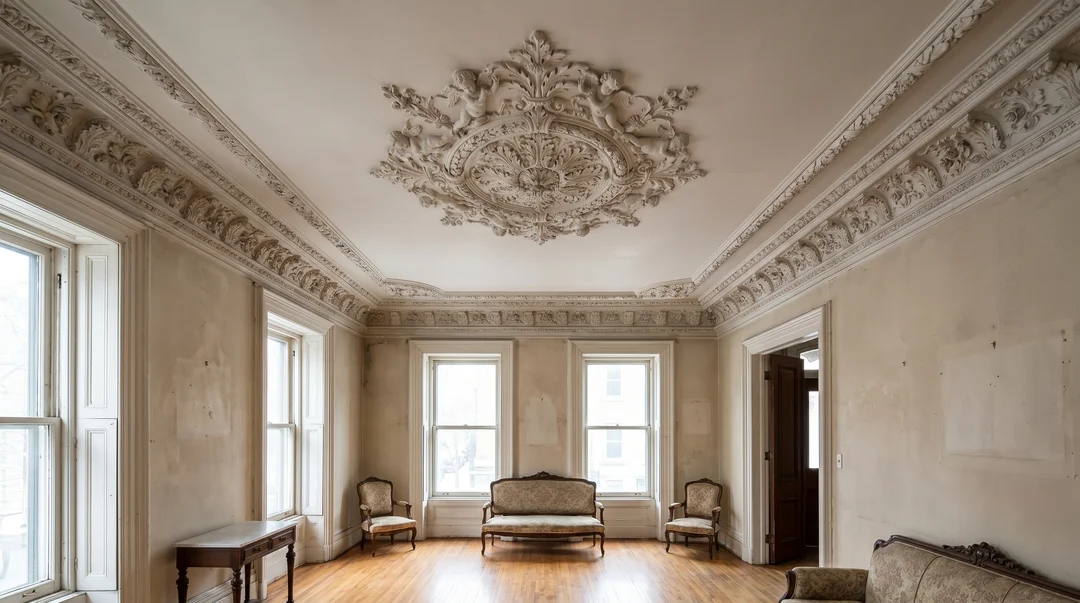
Before thinking about what to add, it's worth understanding what you're trying not to lose. The character of an old house isn't just in its materials, it lives in the proportions, the rhythm of the windows, the ceiling heights, the way morning light moves through the rooms. Change these parameters without thinking things through, and you risk turning something with genuine soul into something forgettable.
This is why heritage architects often start with a simple question: they ask the homeowner to name three things they love about the house. The answers reveal what deserves to be protected, and what can, in fact, change.
The Approaches That Actually Work
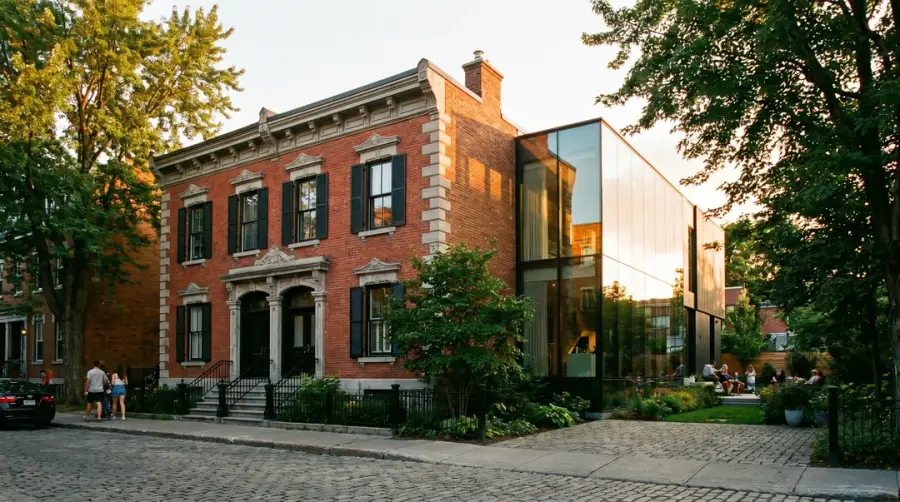
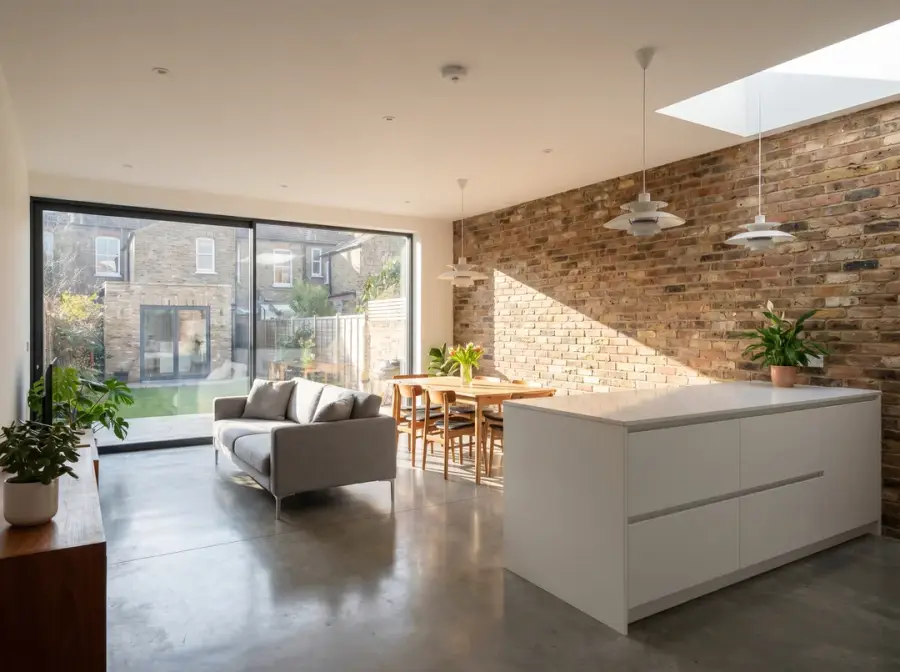
A rear extension is the lowest-risk path for an old urban house. The street facade (what neighbours and passersby see) stays untouched, while the backyard offers room for something genuinely new. Many architects take this as an opportunity to play the card of honest contrast: a glass-and-steel addition, clearly contemporary, that converses with the original brick or stone without pretending to be it.
That contrast is usually more convincing than imitation. An extension that tries to mimic Victorian detailing with modern materials rarely fools anyone, you can see it's a copy. A clearly contemporary addition, on the other hand, respects the history of the house by reading it as it is: one layer among many across time.
Converting an attic into livable space (or adding a dormer) is another option, particularly for Montreal duplexes with mansard roofs. It requires less foundation work, but it changes the roofline in ways that are visible from the street, which is why arrondissement-specific zoning rules matter so much here.
The often-overlooked option is the basement. In older Montreal neighbourhoods like Plateau-Mont-Royal or Rosemont, many homes sit on low-ceiling cellars that are barely usable. Partial underpinning to gain 30 or 40 centimetres of headroom is an expensive undertaking, but it transforms dead space into a fully functional floor without touching a single heritage element at street level.
Why an Architect Isn't Optional
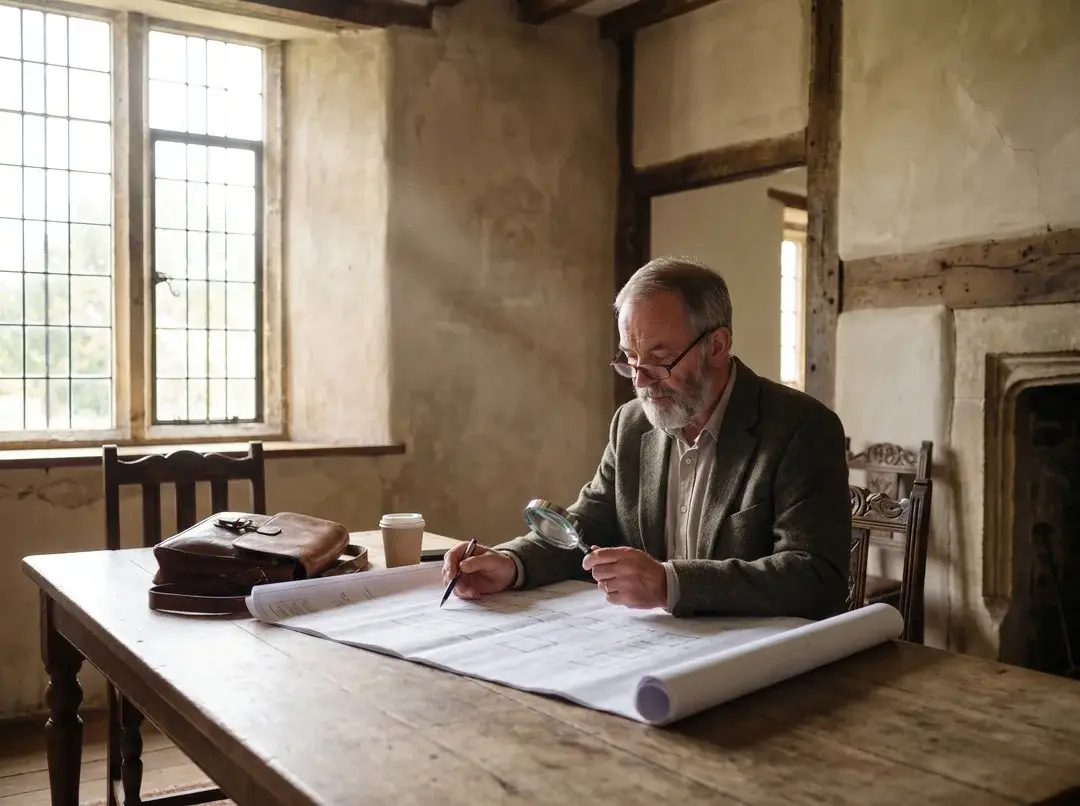
For a basic addition on a newer home, a skilled contractor might be enough. Not here. Old houses hide surprises, unbalanced structures, load-bearing walls where you'd least expect them, materials that respond unpredictably to Quebec's freeze-thaw cycles. An architect with real heritage renovation experience is what stands between a smooth project and an expensive series of mid-construction discoveries.
In Quebec, most municipalities require stamped drawings for any addition, however modest. In Montreal, historically significant zones (Old Montreal, the Plateau, Outremont) have tight rules around building footprint, facade materials, and maximum height. Ignoring these isn't just a fine risk: in some cases, non-compliant additions have been ordered demolished after the fact.
The good news is that a knowledgeable architect often finds room to manoeuvre that owners wouldn't have seen on their own, whether through careful interpretation of zoning regulations or through the design of the project itself.
Frequently Asked Questions
Do you need a permit to add onto a heritage home in Montreal?
Yes, in virtually every case. Any addition that changes the building envelope (rear extensions, height additions, attic conversions) requires a building permit. In heritage zones, you may also need approval from the Comité consultatif d'urbanisme (CCU) before construction can begin.
Is it better to match the existing style or go with a contemporary contrast?
Both can work well, but honest contrast tends to age better. Attempts to mimic century-old detailing with modern materials rarely convince, and can actually reduce the perceived value of the property. A clearly contemporary addition acknowledges what the house is, rather than trying to pretend otherwise.
What does a heritage home addition typically cost in Quebec?
Costs vary widely based on scope, structural complexity, and location. A basic rear extension can run anywhere from $150,000 to $350,000 depending on finishes and on-site surprises. Basement excavation or dormer additions tend to cost less overall but often come with unexpected foundation or framing work.
Can you add a full storey to a heritage property?
It's possible in some situations, but it's the most heavily regulated intervention. Building height limits are set by zoning, and in protected heritage areas, any addition visible from the street will almost certainly come with strict conditions. Checking the specific rules for the relevant arrondissement is essential before this option goes any further than a sketch.
Ready to start your project?
Describe your work, choose how many quotes you want to receive, and compare qualified contractors near you. Free and no commitment.