Heat Pump in Quebec: Complete 2026 Guide, Types, Costs & Rebates
Heat pumps are transforming home heating across Canada. In 2026, the combination of rising energy costs, new cold-climate technology, and generous government rebates has made heat pumps one of the most cost-effective home investments available. Whether you're replacing aging electric baseboard heaters, adding air conditioning for the first time, or simply trying to reduce your energy bills, this guide covers everything you need to know before making a decision.
How Does a Heat Pump Work?
Despite the name, a heat pump doesn't generate heat (it moves it. In winter, it extracts heat energy from outdoor air (even at -20°C) and transfers it inside. In summer, it reverses the process, acting as an air conditioner. That dual role) heating and cooling in one unit, is one of its biggest advantages for Canadian homeowners.
The efficiency gain is the real story. For every 1 kWh of electricity consumed, a heat pump delivers 2.5 to 4.5 kWh of heat. An electric baseboard heater produces exactly 1 kWh of heat per kWh consumed. The math is straightforward, and compelling.
Types of Heat Pumps
Ductless Mini-Split, The Most Popular Choice
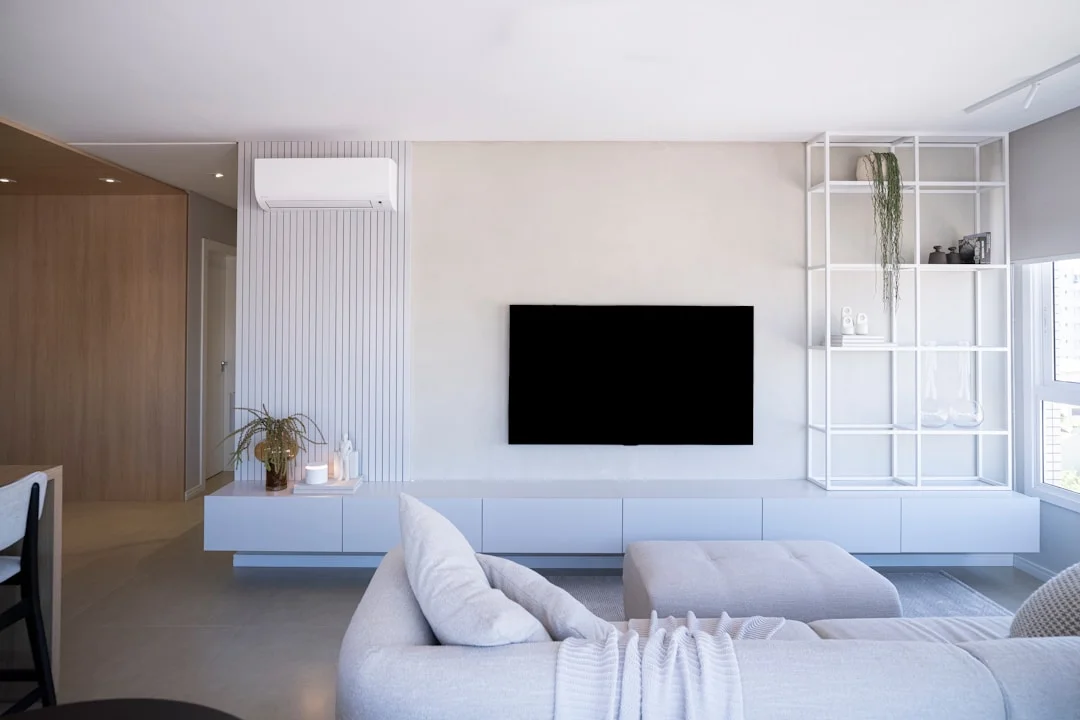
The most commonly installed type in Quebec. An outdoor unit connects to one or more indoor wall-mounted units. No ductwork required, which makes installation far simpler in existing homes.
Modern cold-climate models maintain meaningful efficiency down to -25°C or -30°C, enough for the vast majority of Canadian winters. Installation typically takes one to two days, and each room can be controlled independently. The main drawbacks are the visible indoor wall unit and the need for multiple heads to cover the whole house.
Installed cost: $3,000 to $8,000 for a single-zone system; $7,000 to $18,000 for multi-zone (2-5 heads).
Ducted Central Heat Pump (Air-to-Air)
Works like central air conditioning with full heating capability. Ideal for homes with existing ductwork, no need to rebuild, you integrate the heat pump into what's already there. It can also be paired with a furnace as backup for extreme cold, forming a hybrid system that's very popular in Quebec.
Installed cost: $8,000 to $20,000.
Geothermal (Ground-Source) Heat Pump
Extracts heat from the ground, which stays stable year-round (8-12°C in Quebec). It's the most efficient option on the market, with a COP of 3.5 to 5.5 and an exceptional lifespan, 20 to 25 years for the equipment, up to 50 years for the ground loop. The tradeoff: high upfront cost, the need for drilling or excavation, and an installation that takes three to seven days.
Installed cost: $20,000 to $45,000.
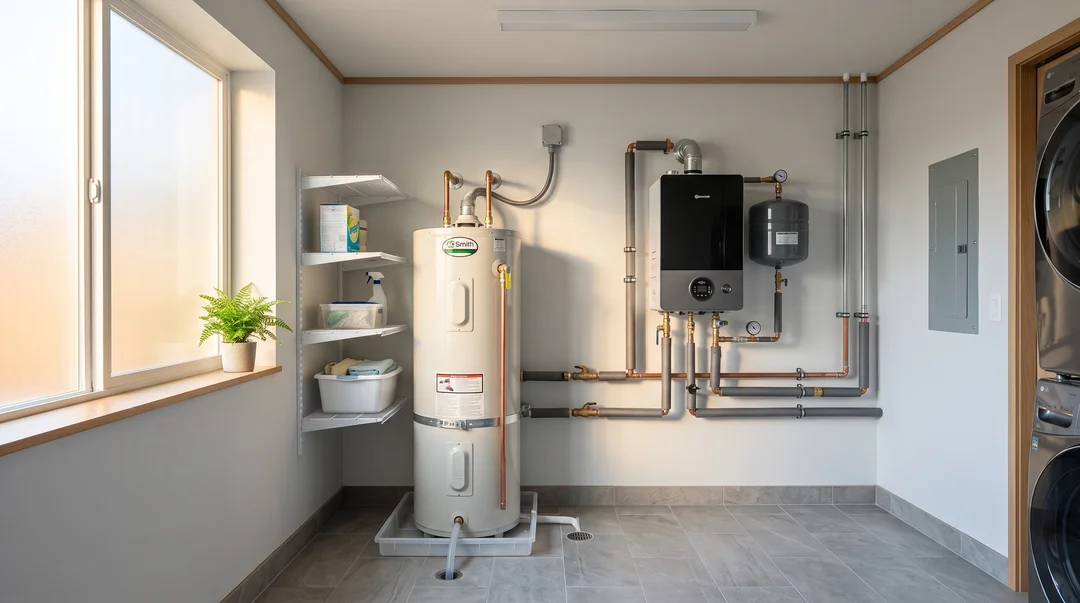
Heat Pump Water Heater
Heats domestic hot water only. Less well-known but highly cost-effective, cutting water heating bills by 40 to 60%.
Installed cost: $1,800 to $3,500.
Cost and Return on Investment
| Heat Pump Type | Installed Cost | Annual Savings* | Payback |
|---|---|---|---|
| Single-zone mini-split | $3,000 to $8,000 | $500 to $1,200 | 4-10 yrs |
| Multi-zone (3-4 heads) | $10,000 to $18,000 | $1,200 to $2,500 | 5-10 yrs |
| Ducted central | $8,000 to $20,000 | $1,000 to $2,000 | 6-12 yrs |
| Geothermal | $20,000 to $45,000 | $2,000 to $4,000 | 8-15 yrs |
*vs. 100% electric baseboard heating, 150 m² home. Numbers improve significantly with rebates applied.
Rebates and Incentive Programs in 2026
RénoClimat, Provincial (Quebec)
The main provincial program offers up to $3,500 for an air-to-air heat pump, up to $10,000 for geothermal, and up to $750 for a heat pump water heater. Requirements: primary residence, Quebec residency, certified contractor, eligible model. See teq.gouv.qc.ca for current details.
Hydro-Québec
Additional incentives on top of RénoClimat. Programs change regularly, check hydroquebec.com for current offers.
Canada Greener Homes Loan (Federal)
Interest-free loan up to $40,000 for energy retrofits including heat pumps. Requires a pre- and post-retrofit energy audit by an NRCan-accredited advisor.
Stacking Programs
Most programs stack. A homeowner installing a multi-zone mini-split can potentially combine several renovation financial aid programs: RénoClimat + Hydro-Québec + the federal interest-free loan. Concrete example: a $14,000 three-head system minus $3,500 (RénoClimat) minus $1,500 (Hydro-Québec) = $9,000 net before the federal loan.
Do Heat Pumps Really Work at -30°C?
It depends on the model. Traditional units lose efficiency below -15°C. Cold-climate heat pumps, designed specifically for northern winters, maintain meaningful efficiency down to -25°C or -30°C. Top brands in this category: Mitsubishi (Hyper-Heating ZUBA-Central), Bosch, Daikin, LG, Carrier.
The Hybrid Strategy
For areas that regularly drop below -25°C, the hybrid approach is popular: a heat pump handles primary heating, then a gas or propane furnace takes over during extreme cold snaps. Best of both worlds, heat pump efficiency most of the winter, guaranteed backup power when it's needed most.
How to Choose: Key Criteria
COP and SCOP
COP (coefficient of performance) measures efficiency at a single temperature, a COP of 3.5 means 1 kWh in produces 3.5 kWh of heat. SCOP (seasonal COP) measures efficiency over a full heating season, which makes it the most relevant number for real-world conditions. Target SCOP 3.0 or higher for heating.
Capacity (BTU)
| Capacity | Coverage |
|---|---|
| 9,000 BTU | Bedroom/office up to 270 sq ft |
| 12,000 BTU | Main room 270-430 sq ft |
| 18,000 BTU | Open concept 430-650 sq ft |
| 24,000 BTU | Large open area 650-970 sq ft |
Always have a contractor perform a proper heat load calculation. Never accept a quote without an on-site visit, proper sizing requires thermal calculations specific to your home.
Noise Level
Modern outdoor units run at 50-60 dB (normal conversation level). Check this spec if the unit will be near a bedroom window or a neighbour's property line.
Choosing Your Installer
A poor installation, which depends on the care taken when choosing a contractor, can reduce efficiency by 20-30%. Verify the RBQ licence for HVAC refrigeration work (sub-category 15.x) and electrical work (16.x), manufacturer certification (Mitsubishi, Daikin, LG installer accreditation), demonstrated experience with your system type, and a labour warranty included in the quote. Depending on your area, start from heat pump specialists in Quebec City or HVAC contractors in Laval.
Never accept a quote without an on-site visit.
Frequently Asked Questions
Can a heat pump fully replace electric baseboard heaters?
Yes, in most well-insulated homes. A properly sized system makes baseboards a backup only. For poorly insulated homes, addressing thermal insulation first dramatically improves heat pump performance.
Does a heat pump also cool in summer?
Yes, the same unit heats in winter and cools in summer, eliminating the need for a separate air conditioner. Heating-only models, which are less common, cannot cool.
How long does a heat pump last?
Mini-splits last an average of 15 to 20 years with regular maintenance. Geothermal ground loops can exceed 25 years.
Is annual maintenance necessary?
Recommended. Filter cleaning, refrigerant check, and electrical inspection run $100 to $250/year and preserve both efficiency and lifespan.
Are rebates taxable?
Provincial RénoClimat rebates are generally not taxable. For federal programs, consult an accountant or the Canada Revenue Agency for your specific situation.
Do heat pumps actually work in cold winters?
Yes, modern cold-climate heat pumps operate efficiently down to -25°C and sometimes -30°C. Models like the Mitsubishi Zuba-Central, Bosch IDS, and Daikin Fit are specifically designed for northern climates. Most dual-fuel systems keep a gas furnace as backup for the coldest nights.
What rebates are available for heat pumps?
Federal programs like the Canada Greener Homes Grant offer rebates for heat pump installations. Provincial utility programs add further incentives, amounts vary by province and change regularly. Check nrcan.gc.ca and your local utility's website for current figures. Combined rebates can reduce your cost by $2,000 to $10,000 depending on the project.
Heat pump or gas furnace: which should I choose?
A heat pump is generally more economical over the long term: it uses 3-4 times less energy than an electric resistance heater for the same heat output. A gas furnace remains competitive where gas is cheap and electricity is expensive, but that advantage is narrowing as gas prices rise and heat pump technology improves.
Ready to start your project?
Describe your work, choose how many quotes you want to receive, and compare qualified contractors near you. Free and no commitment.